2025: A Turning Point
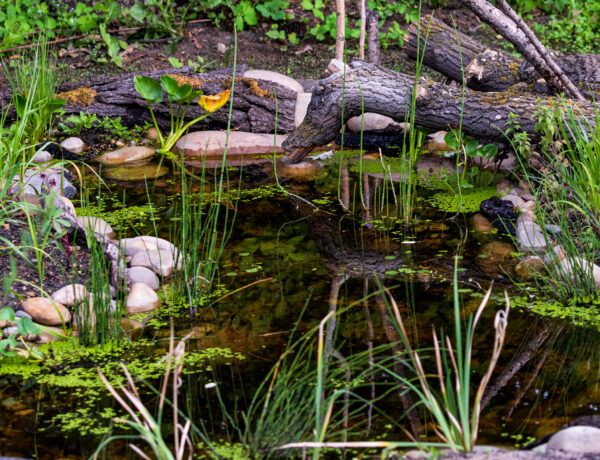
2025 was a turning point in our Edmonton, Alberta yard – birds stopped passing through and started staying. With the major landscaping thankfully behind us and native prairie and garden plants slowly beginning to settle in, our backyard started to function less like a work site and more like a thriving wildlife habitat. We even earned recognition as a Certified Wildlife-Friendly Habitat through planting Alberta native species, building a wildlife pond, and following sustainable practices.
Backyard birding became a way of reading the space, noticing not just who appeared, but how they made it their own. Familiar species returned, and a few unexpected visitors confirmed that small, intentional changes in a cold-climate, native plant garden truly matter. In a city where most yards are designed for control, letting a space soften and naturalize determines who it can support. This shift didn’t happen all at once – it emerged slowly, season by season, as plants established and routines formed. There were long stretches where it felt like nothing was changing – just quiet mornings day after day. But that stillness was part of it, and from it, the yard began to come alive. Success wasn’t measured in numbers – it was in the habits: who landed, who lingered, and who returned.
What Changed in the Yard in 2025:
- The wildlife pond was completed and enjoyed its first full active season
- Some native plants entered their second year, adding structure, shelter, and seed sources
- Reduced interference – more time spent observing, less time actively reshaping the space
2025 Stats
| 65 Species | 18 Lifers | 50 Physically in yard | 6 Heard (but not seen) | 7 Flew over | 3 Saw from yard |
In 2025, I recorded 65 bird species – either in our Edmonton yard, seen from our yard, heard, or spotted flying overhead. Each one a confirmation that the space was being used as intended. Among them, 18 were lifers.
Tracking whether birds were physically in the yard, heard nearby, or just passing overhead adds depth, separates fleeting sightings from meaningful use of the space, and shows whether habitat efforts with native plants suited to Alberta’s climate are taking hold. What surprised me the wasn’t the total number of species – though that was exciting – but how many began fully using the yard. Compared to 2024, 2025 marked a noticeable shift in how birds treated the space.
Total species increased from 46 to 65, with physically in-yard sightings jumping from 31 to 50, and lifers rising from 14 to 18. While 2024 included more pass-through and heard-only records, 2025 showed a clear shift towards birds landing, staying, and returning. This is a transformation. A yard that supports landing, feeding, and repeat visits doesn’t just look like habitat – it functions as habitat. It’s a sign that the space is no longer merely passed over – it’s trusted.
Notable Highlights from 2025
- First recorded sighting of a Grasshopper Sparrow in the Edmonton eBird county – and the northernmost confirmed record in Canada. A rare moment that hints at how shifting habitats and small pockets of native space can support unexpected species.
- Watching six juvenile Blue Jays grow up while navigating turf wars with a few juvenile Black-billed Magpies.
- A surge in warbler diversity, including multiple lifers, pointing to the yard becoming part of a migratory stopover.
- Increased presence of birds of prey, including Cooper’s Hawk and Sharp-shinned Hawk, suggesting a more established food web.
- Multiple species using the yard at the same time, from songbirds to predators, showing a layered and active ecosystem
2025 Backyard Birding List
(In alphabetical order):
Symbols used in the list below:
L = Lifer (first-time sighting)
H = Heard only (confirmed with Merlin Bird ID app, or clear vocal ID)
FO = Flying Overhead
SFY = Saw From Yard (but not physically in the yard)
- American Crow
- American Goldfinch *L
- American Goshawk *L *FO
- American Redstart *L
- American Robin
- Baltimore Oriole
- Black-and-White Warbler *L
- Black-billed Magpie
- Black-capped Chickadee
- Blackpoll Warbler *L
- Blue Jay
- California Gull *FO
- Canada Goose *SFY
- Cedar Waxwing *SFY
- Chipping Sparrow
- Clay-coloured Sparrow
- Common Grackle
- Common Raven
- Cooper’s Hawk *L
- Dark-eyed Junco
- Downy Woodpecker
- Eastern Phoebe *L
- Franklin’s Gull *FO
- Golden-crowned Kinglet *H
- Grasshopper Sparrow *L
- Greater White-fronted Goose *FO
- Hermit Thrush
- House Finch
- House Sparrow
- House Wren
- Least Flycatcher *L
- Lincoln’s Sparrow
- Merlin
- Nashville Warbler *L
- Northern Flicker
- Northern Waterthrush *H
- Orange-crowned Warbler *L
- Palm Warbler
- Pelican *FO
- Pine Grosbeak *L
- Pine Siskin
- Purple Finch *L
- Red-breasted Nuthatch
- Red-eyed Vireo *L *SFY
- Red-winged Blackbird *H
- Redpoll *L
- Ring-billed Gull
- Rock Pigeon
- Rose-breasted Grosbeak
- Ruby-throated Hummingbird
- Sandhill Crane *FO
- Sharp-shinned Hawk *L
- Snow Goose *H
- Swainson’s Thrush *H
- Tennessee Warbler
- Tundra Swan *FO
- Warbling Vireo *L
- White-breasted Nuthatch
- White-crowned Sparrow
- White-throated Sparrow
- White-winged Crossbill
- Wilson’s Warbler
- Winter Wren *L
- Yellow Warbler
- Yellow-rumped Warbler
Moments Captured in Photos
Throughout the year, I watched our backyard come alive, capturing returning songbirds, seasonal regulars, and unexpected appearances along the way. Here is a selection of my 2025 backyard birding photos, grouped by species. Each section begins with a favourite capture, with the remaining images arranged chronologically. Use the arrows to browse each gallery.
Only species photographed this year, and have quality photos are included in the galleries below.
American Crow Corvus brachyrhynchos


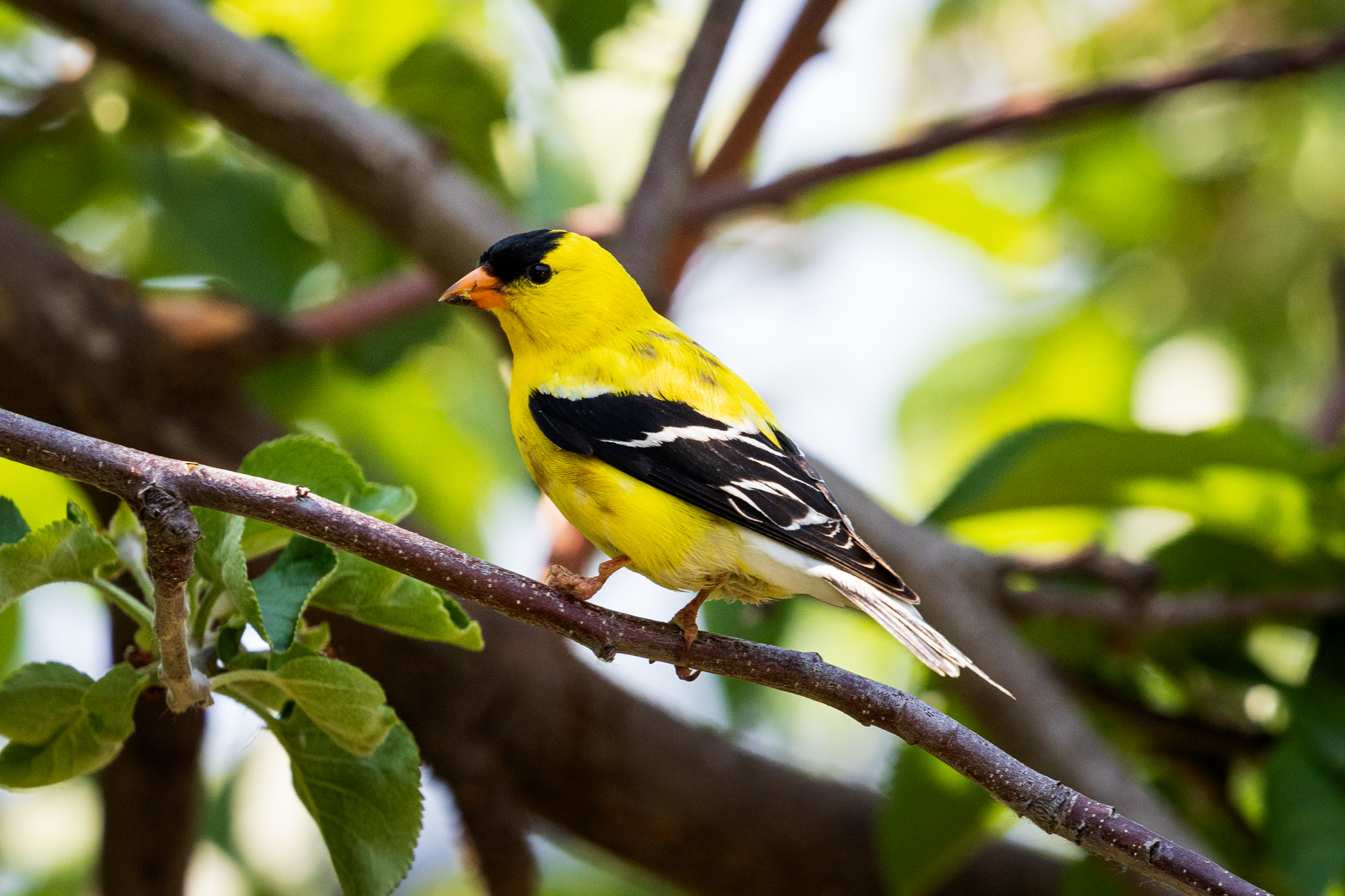
American Goldfinch Spinus tristis
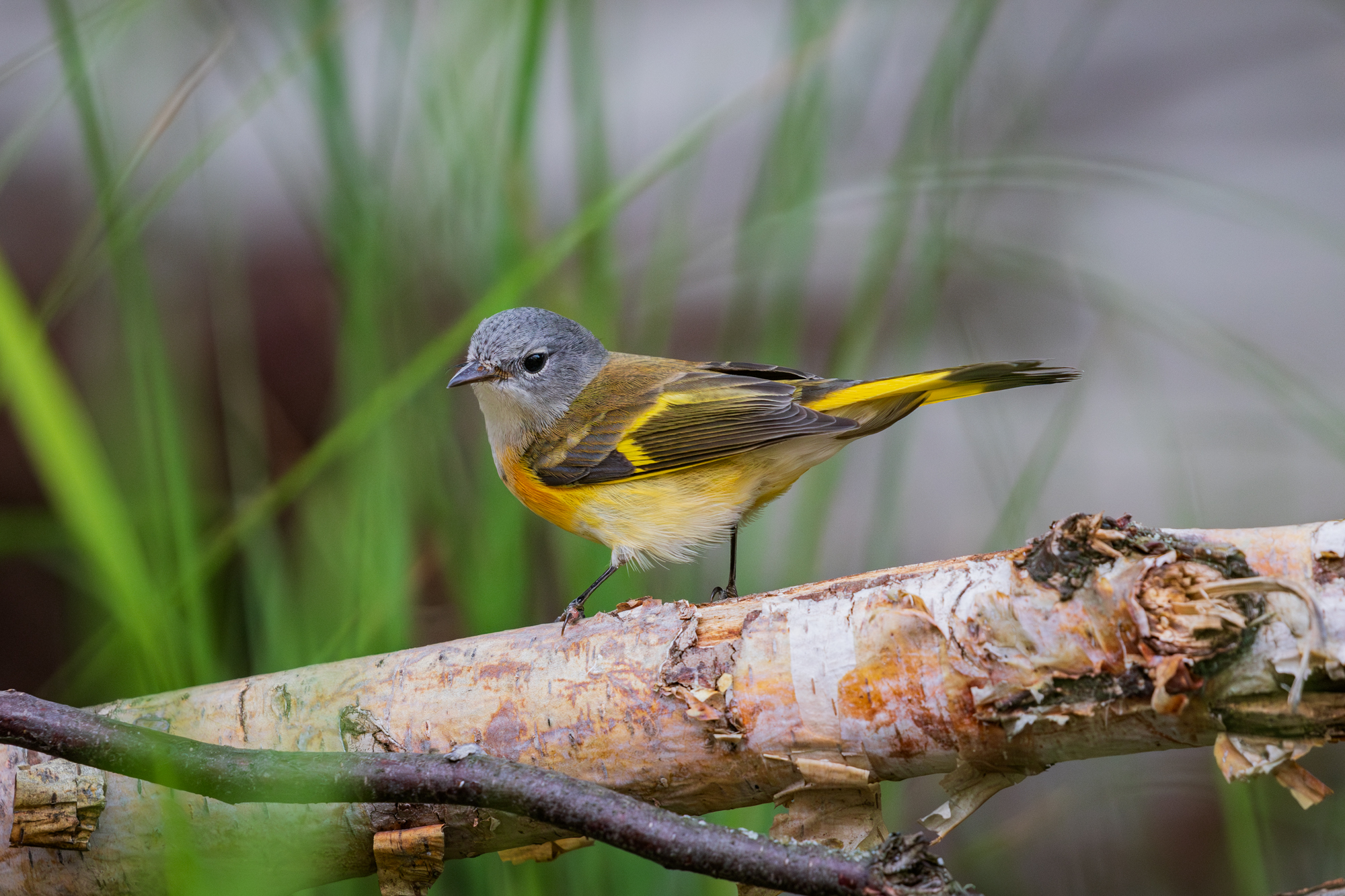
American Redstart Setophaga ruticilla



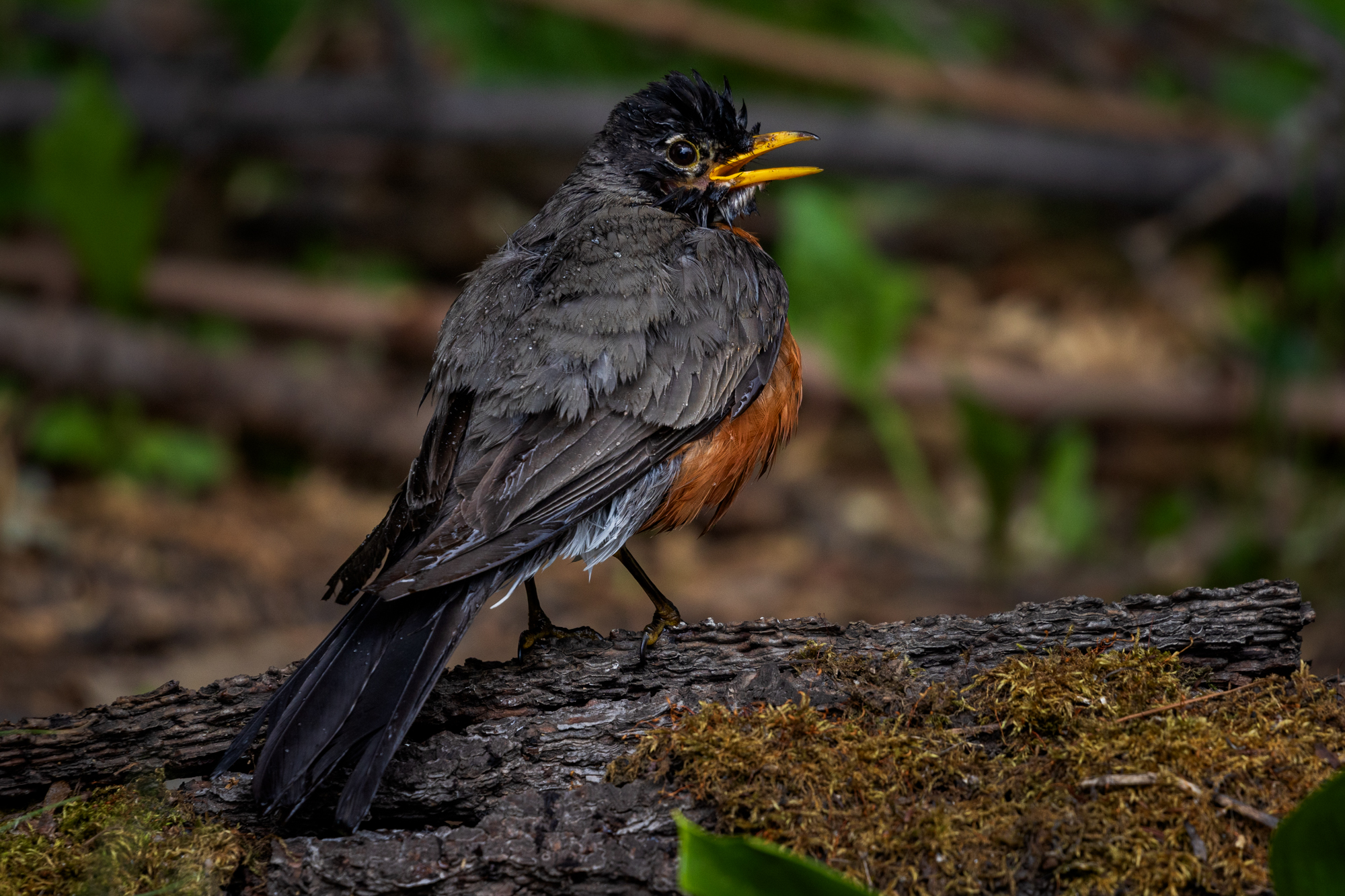
American Robin Turdus migratorius


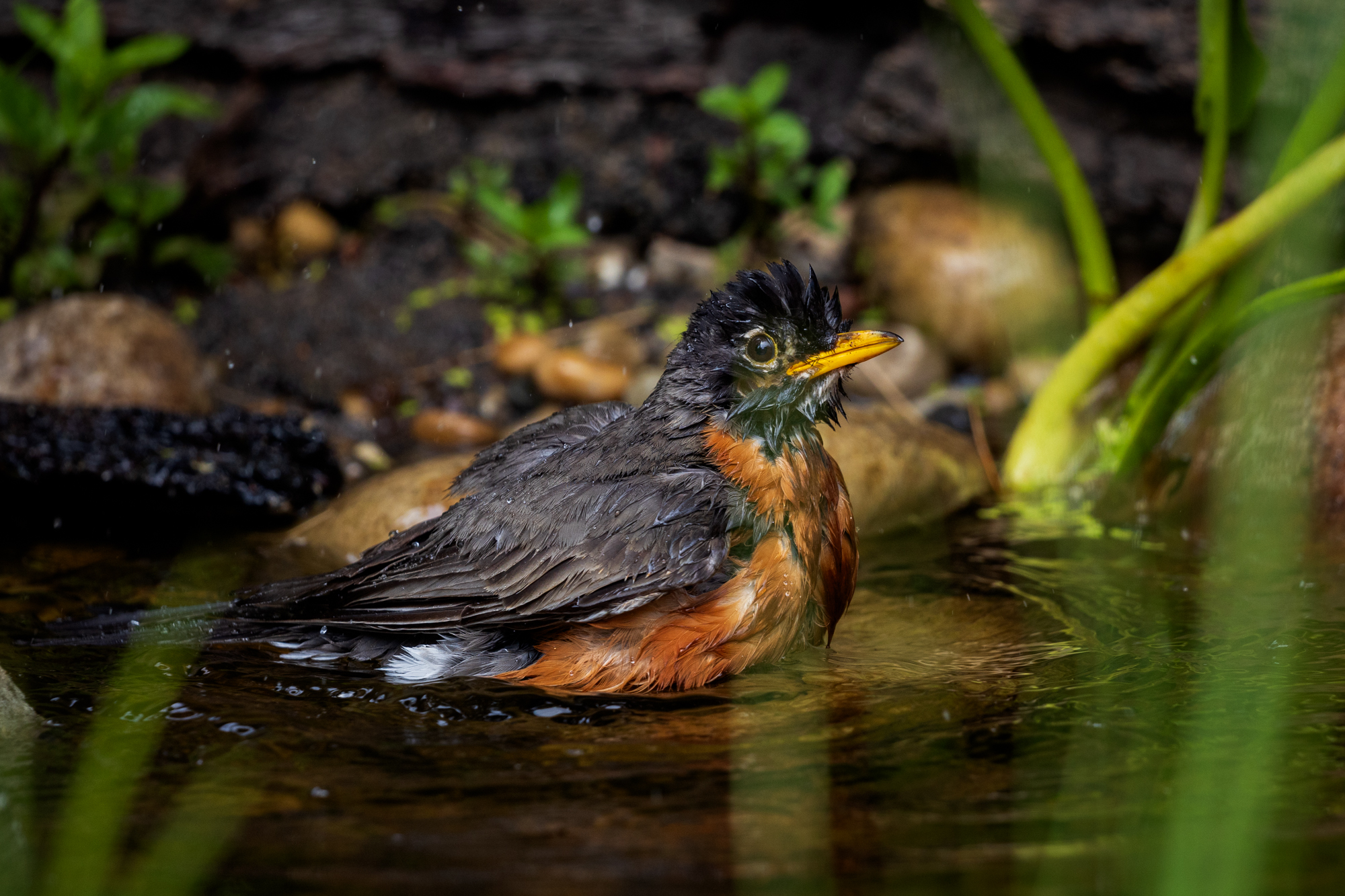
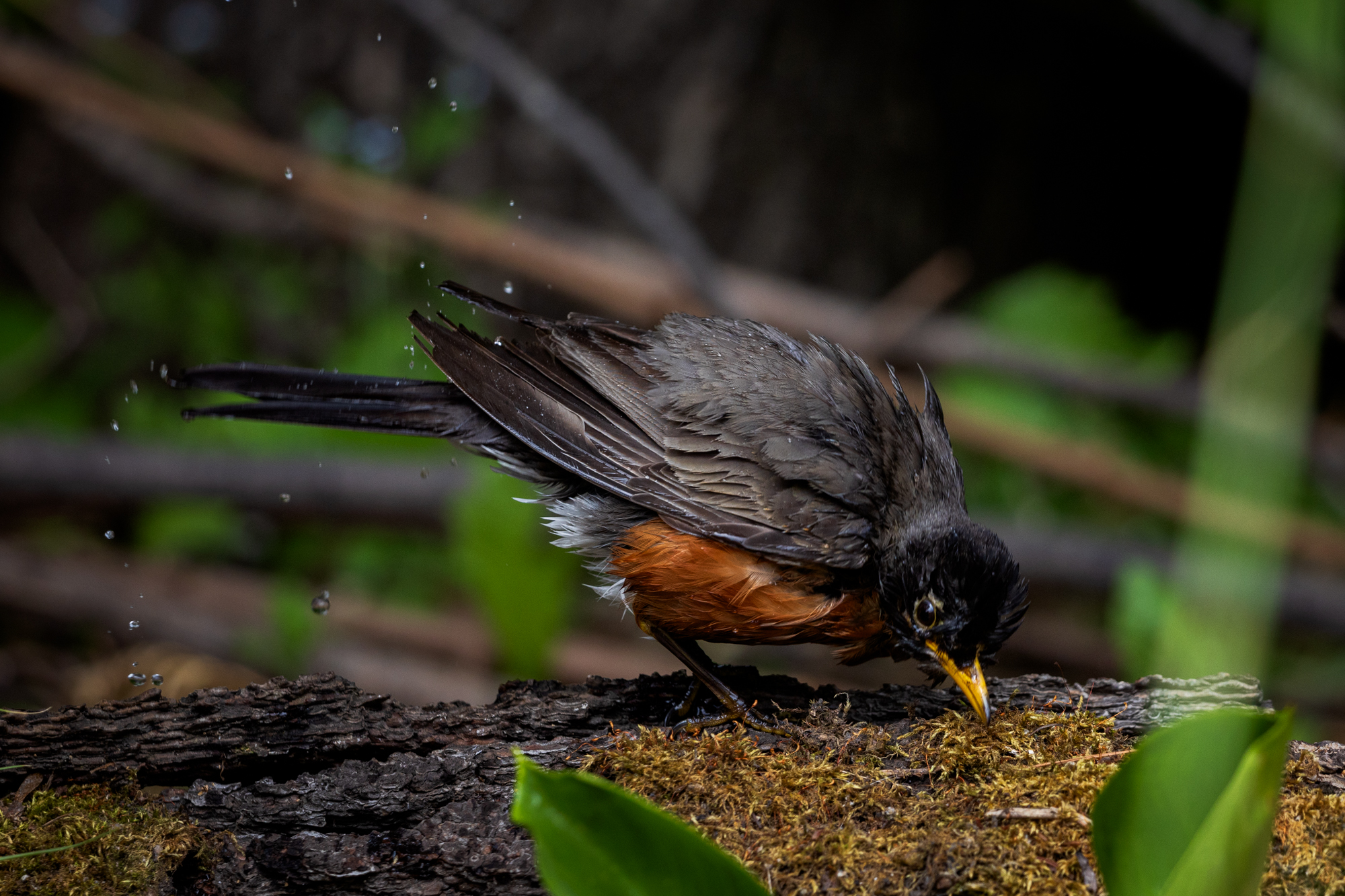
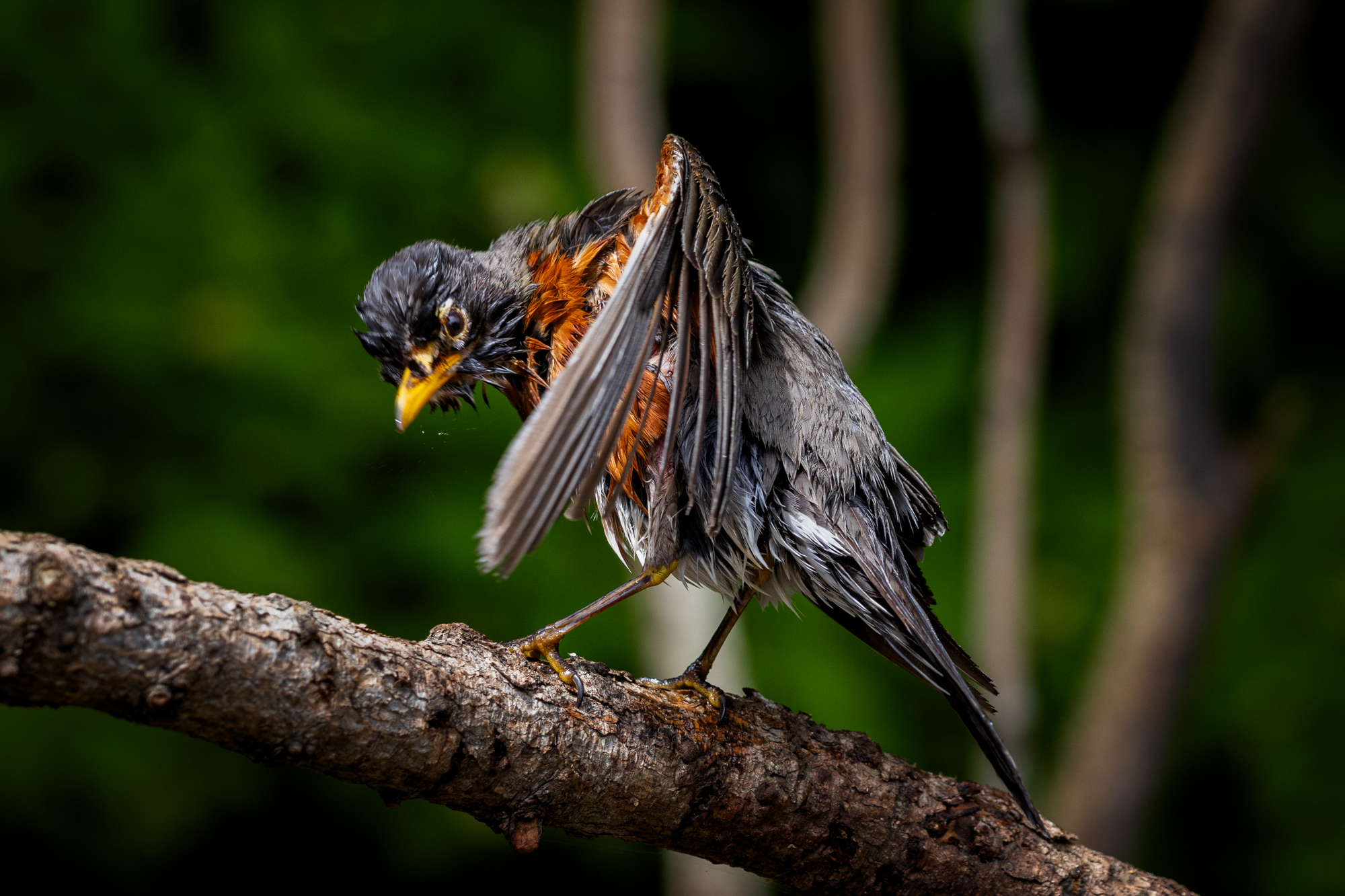
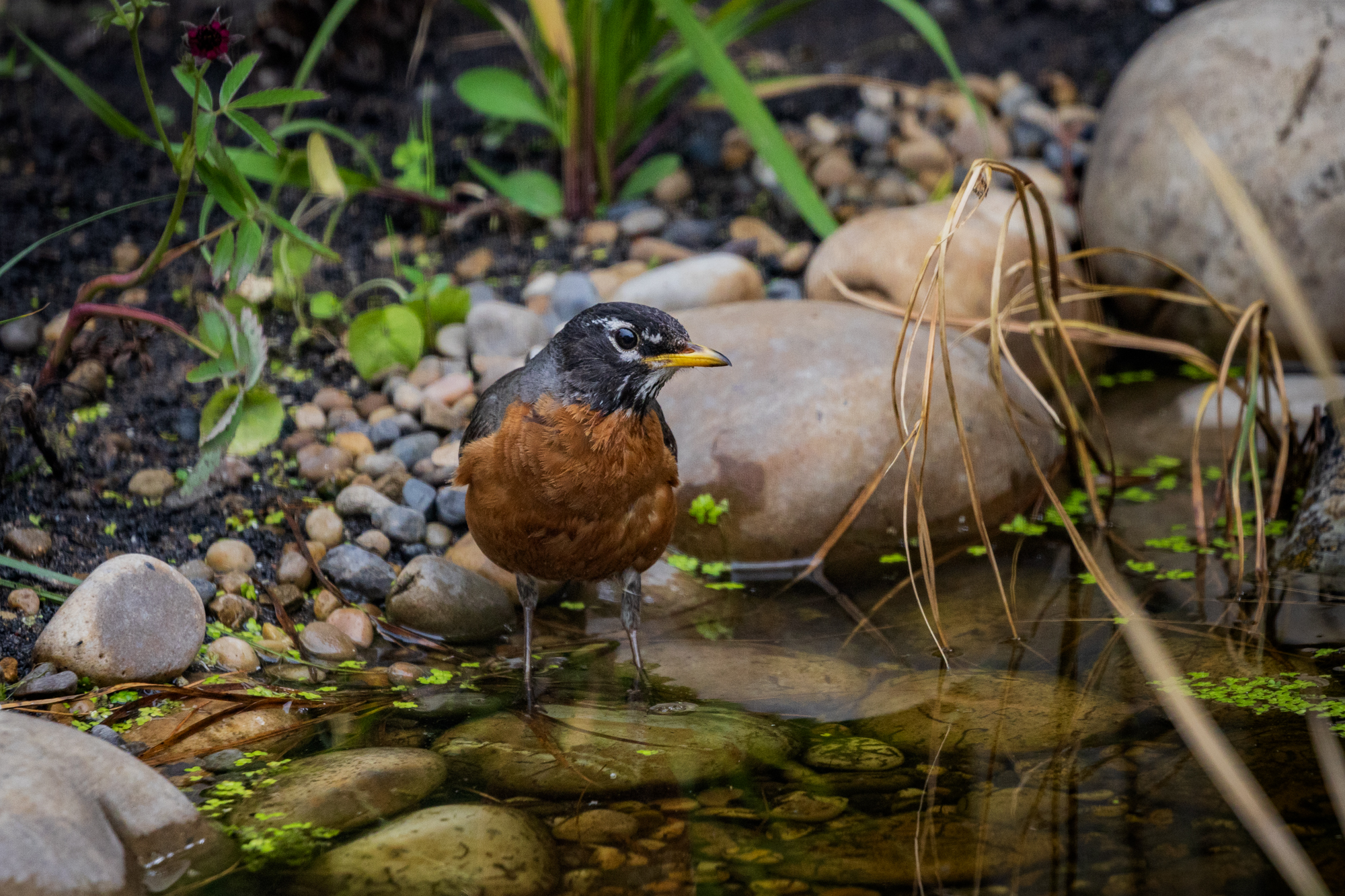


Black-and-White Warbler Mniotilta varia
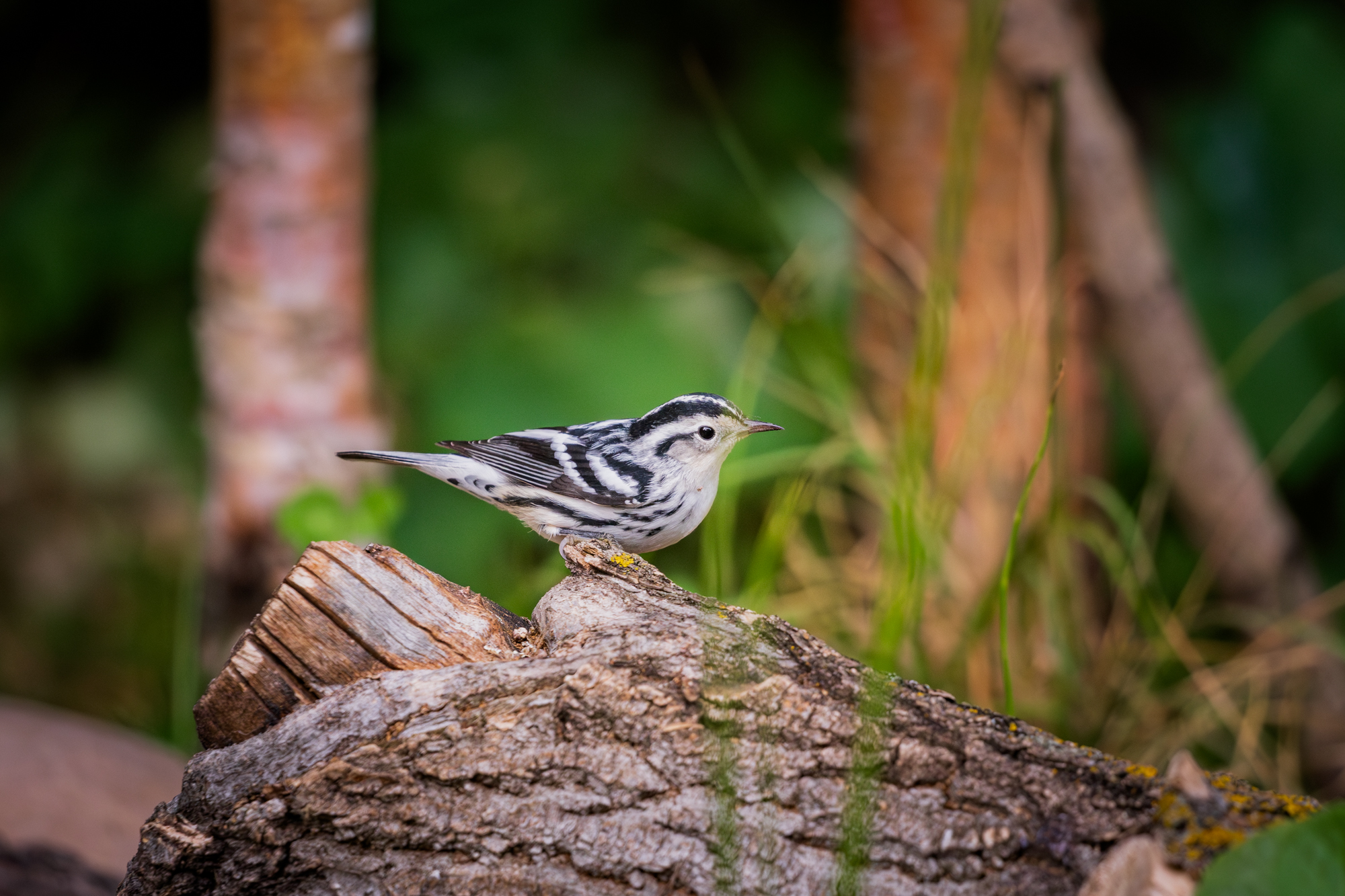


Black-billed Magpie Pica hudsonia


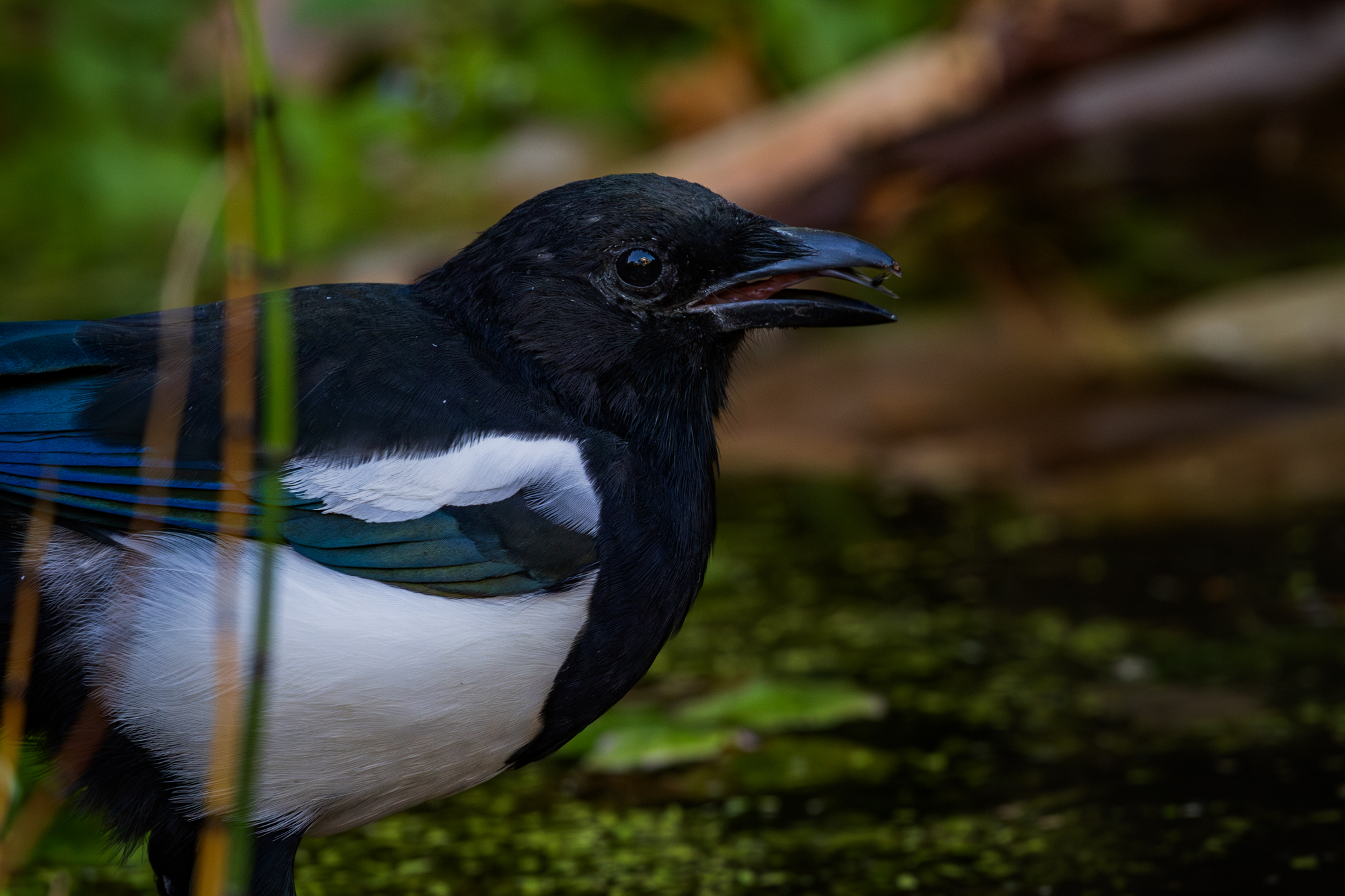


Black-capped Chickadee Poecile atricapillus


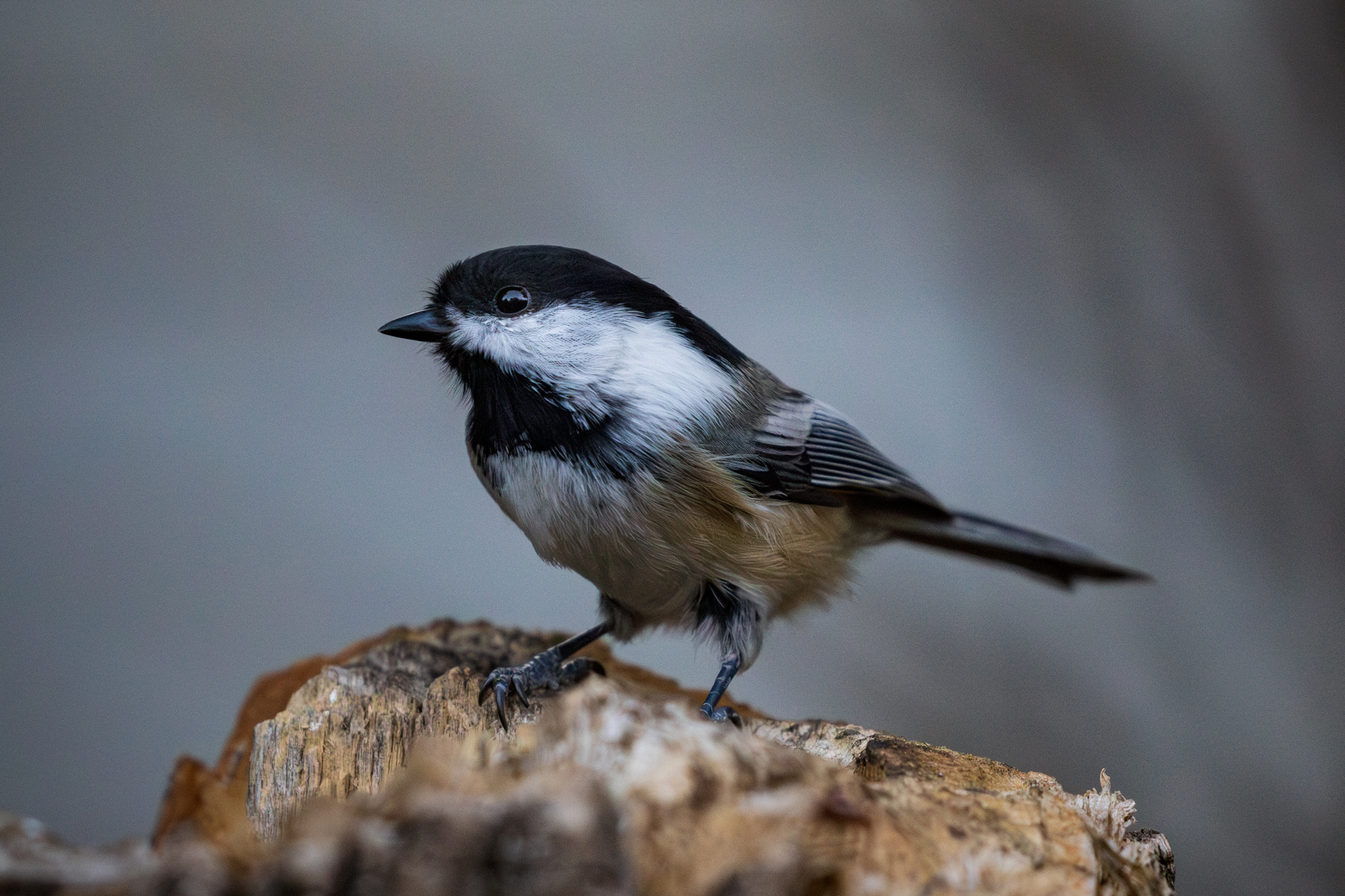
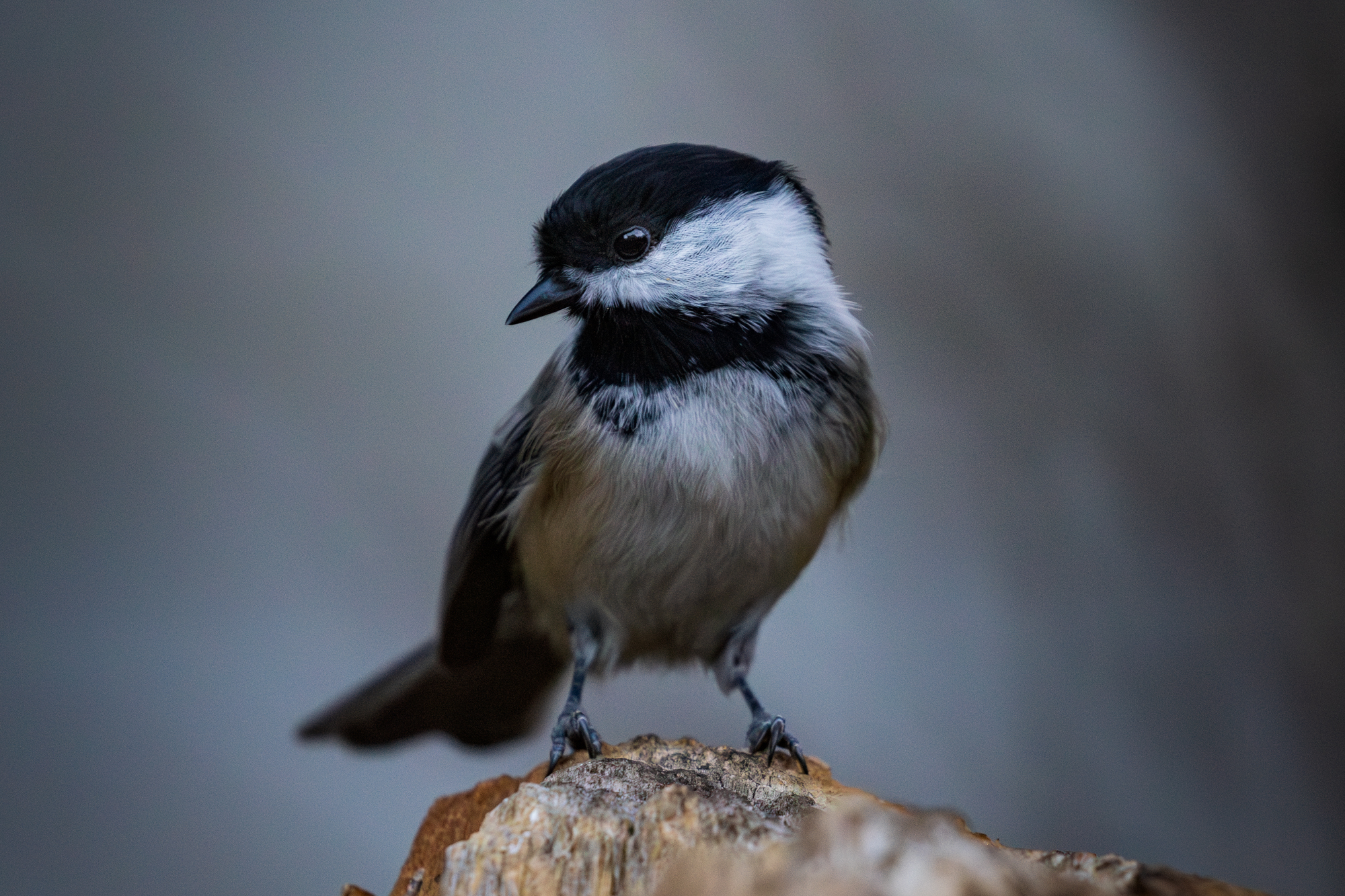

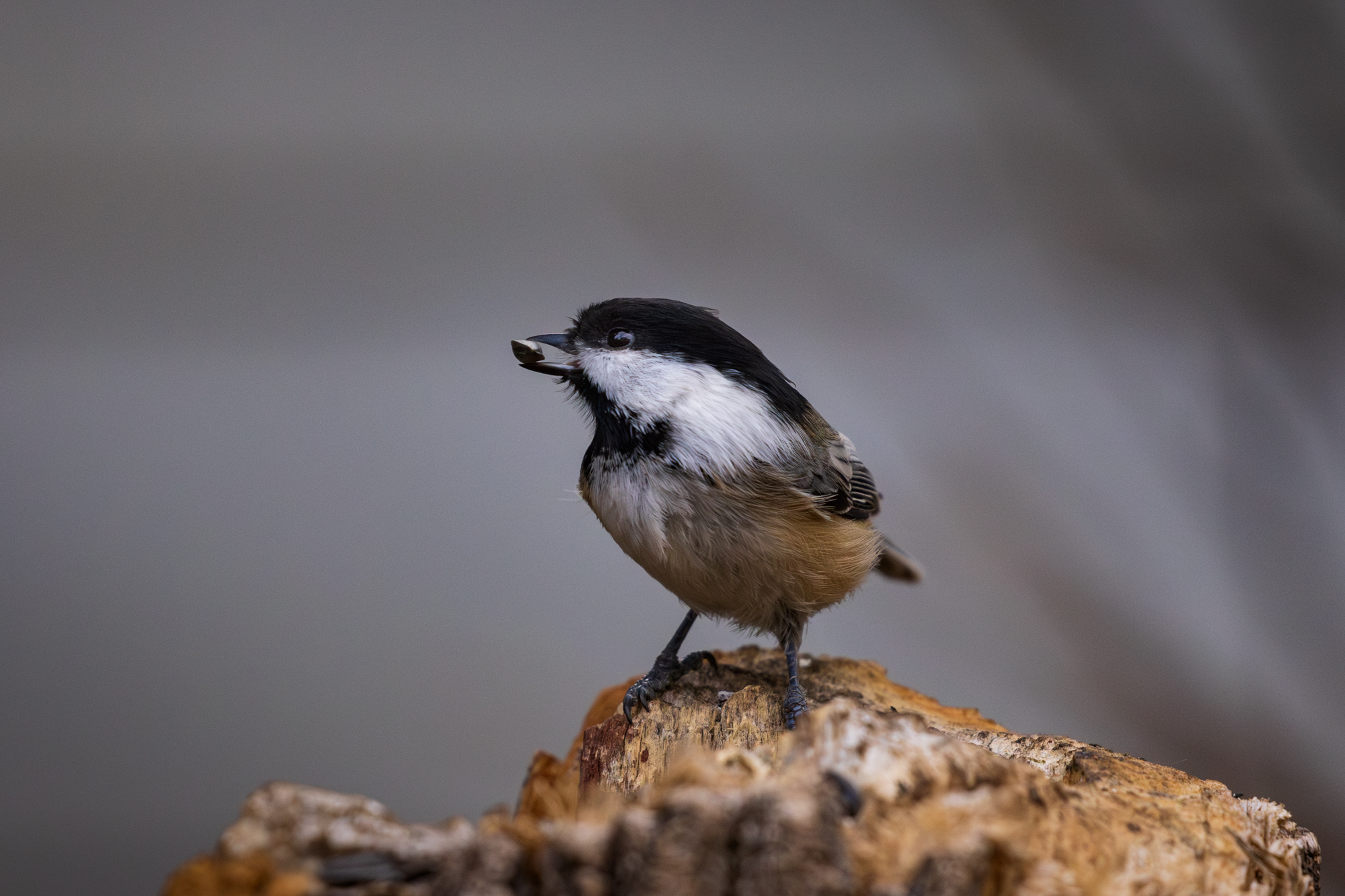


Blackpoll Warbler Setophaga striata


Blue Jay Cyanocitta cristata


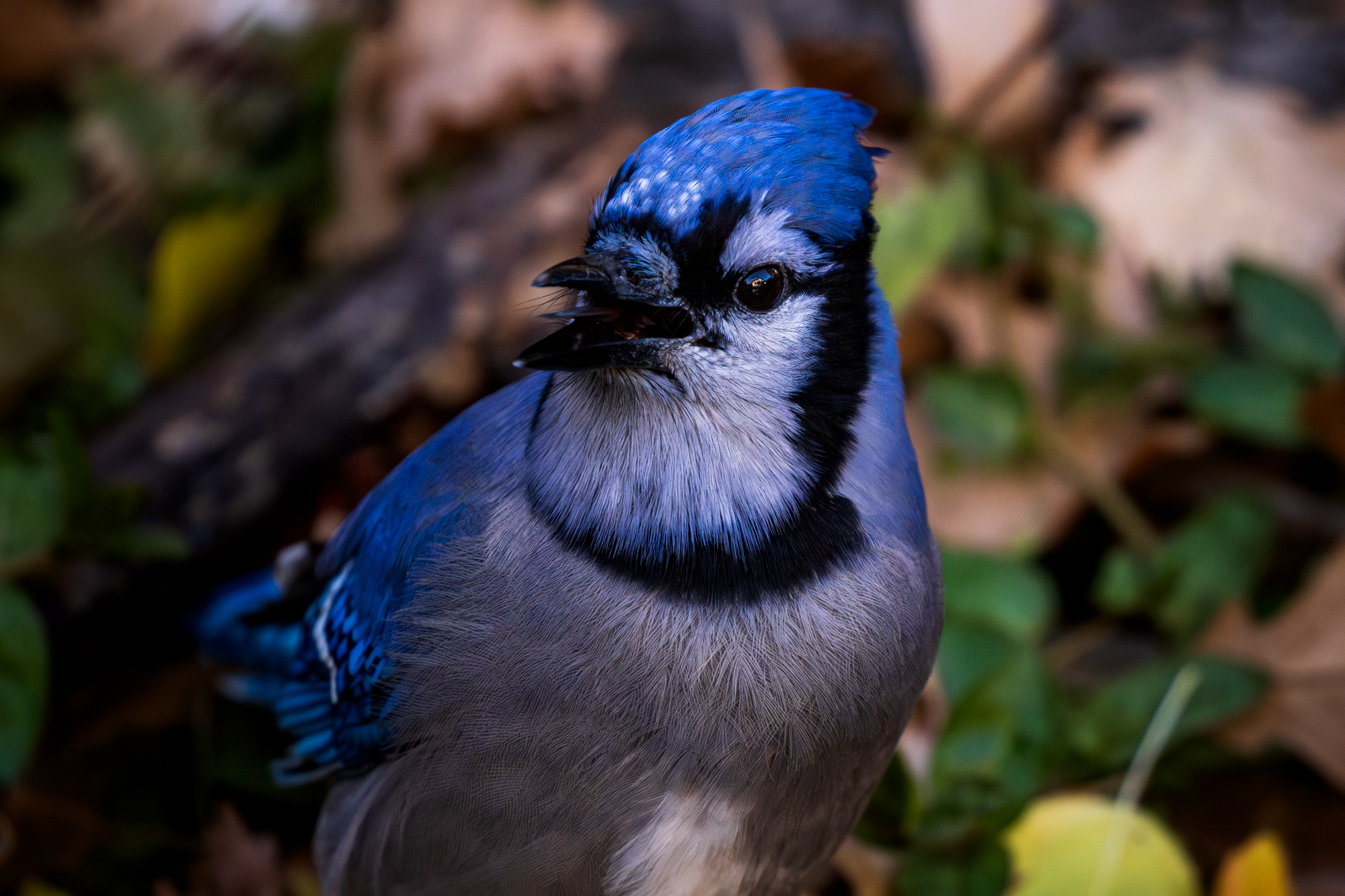
Canada Goose Branta canadensis

Chipping Sparrow Spizella passerina


Clay-coloured Sparrow pizella pallida

Common Grackle Quiscalus quiscula


Common Raven Corvus corax


Cooper’s Hawk Accipiter cooperii


Dark-eyed Junco Junco hyemalis


Downy Woodpecker Dryobates pubescens


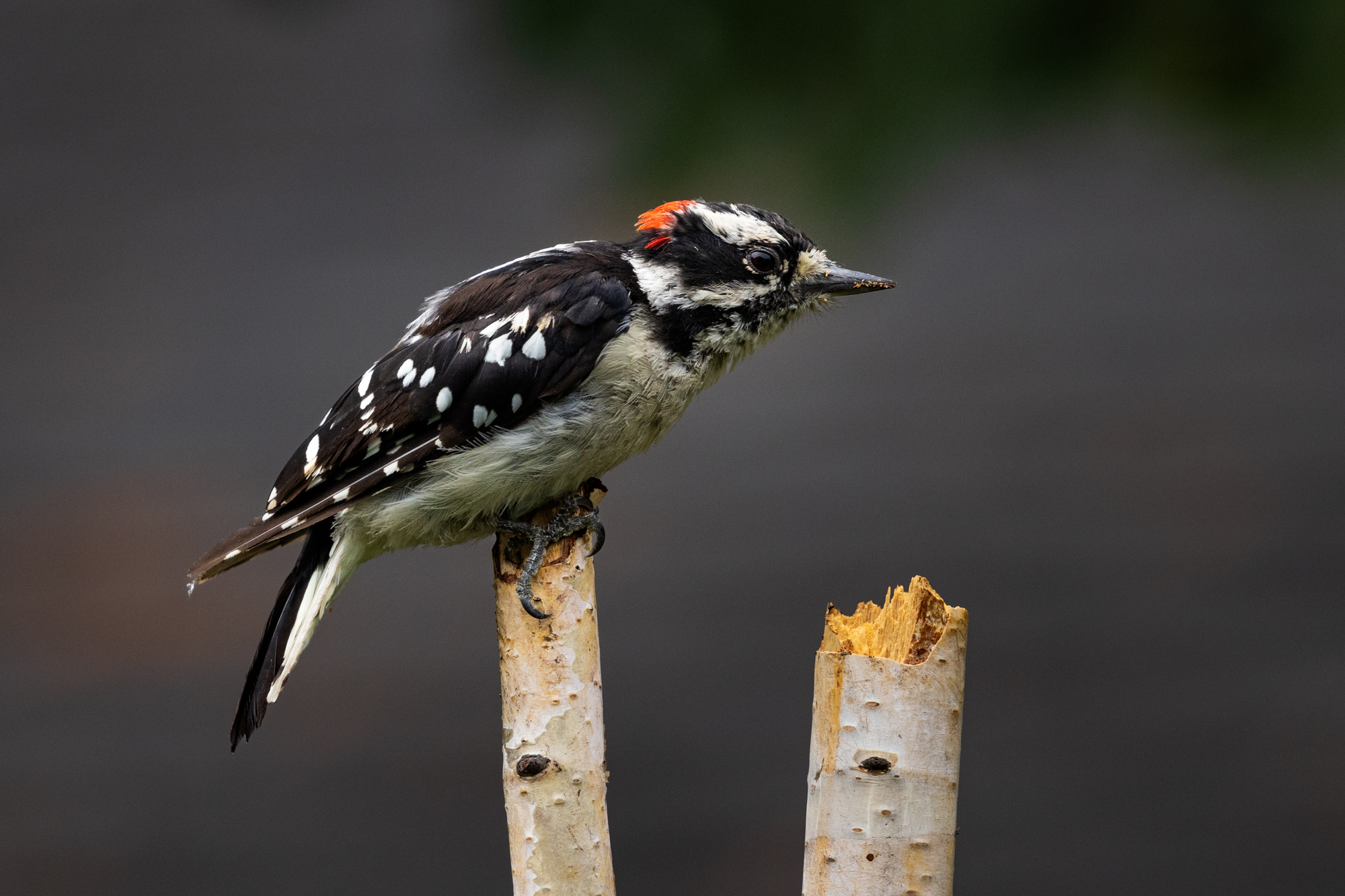


Eastern Phoebe Sayornis phoebe


Grasshopper Sparrow Ammodramus savannarum

Hermit Thrush Catharus guttatus

House Finch Haemorhous mexicanus


House Sparrow Passer domesticus


House Wren Troglodytes aedon

Least Flycatcher Empidonax minimus


Northern Flicker Colaptes auratus


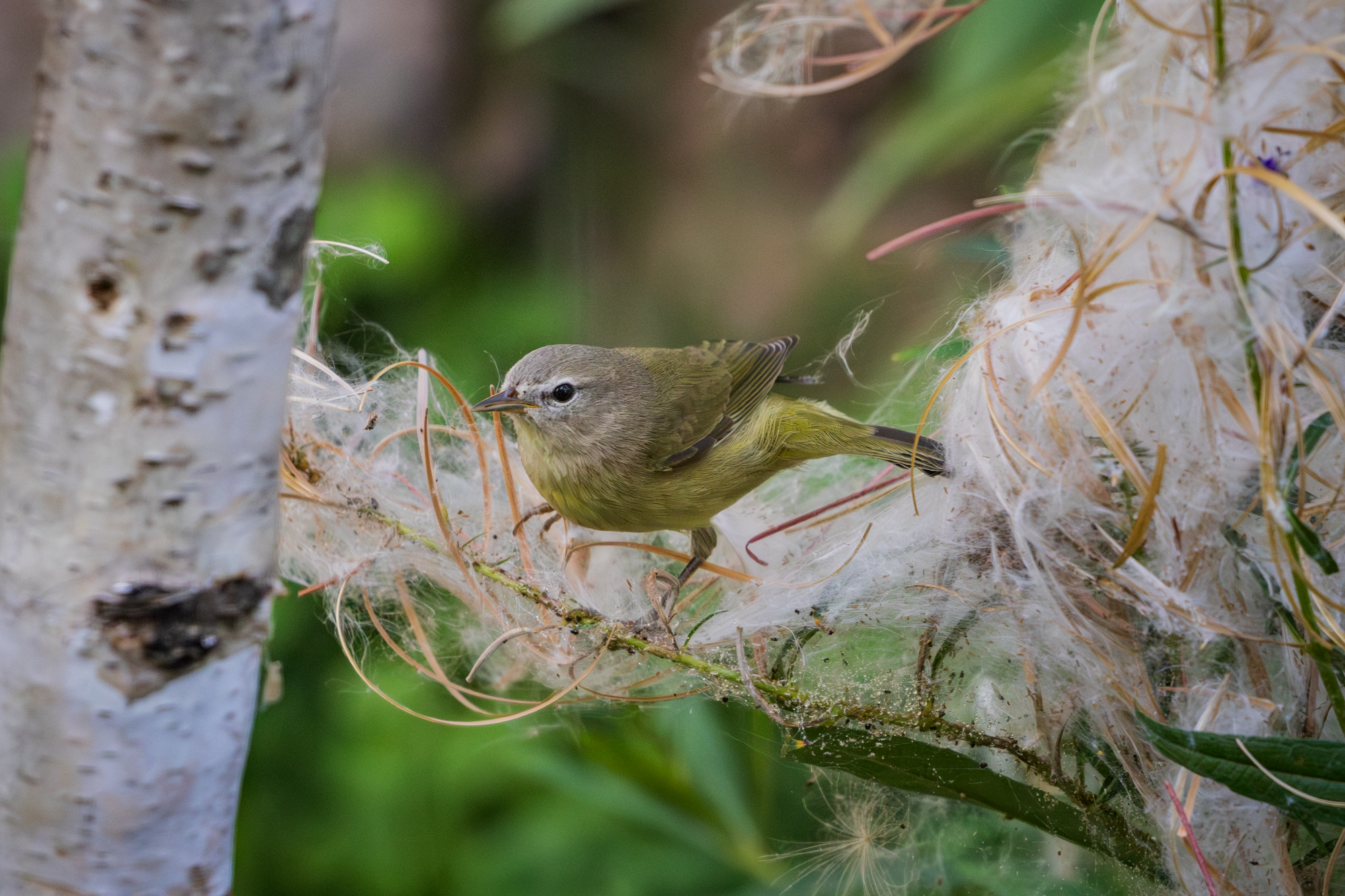
Orange-crowned Warbler Leiothlypis celata
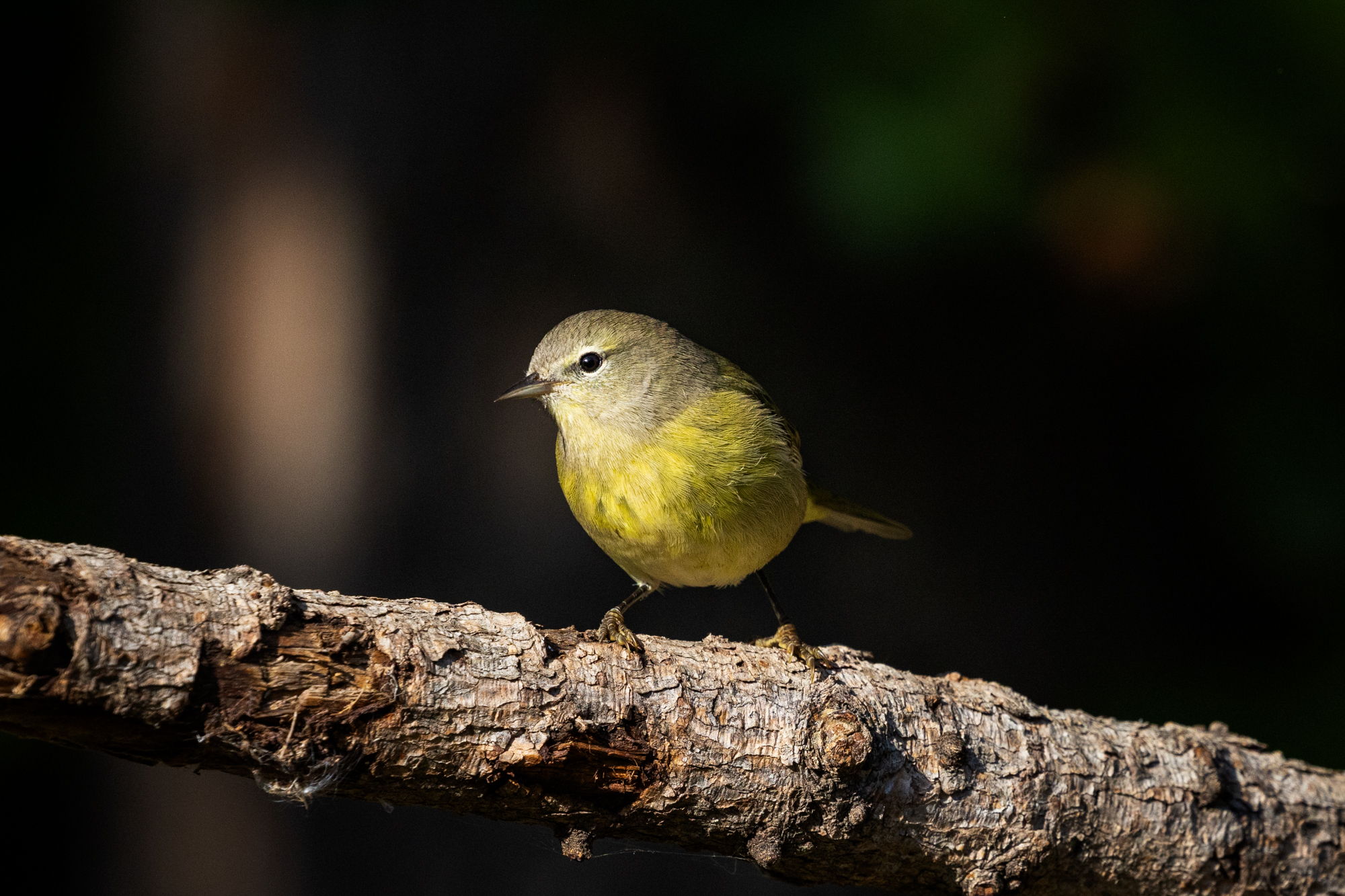



Pine Siskin Spinus pinus

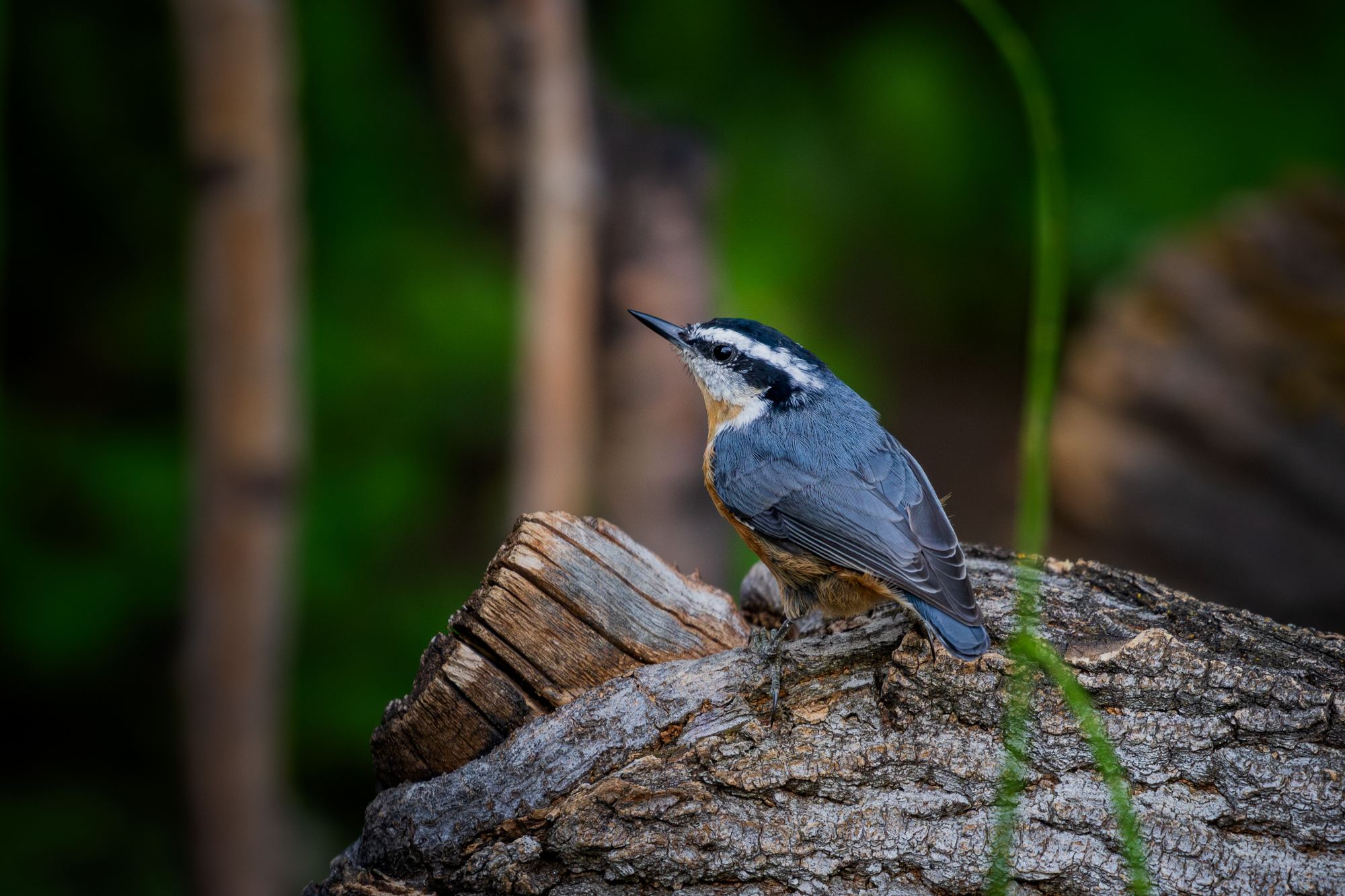
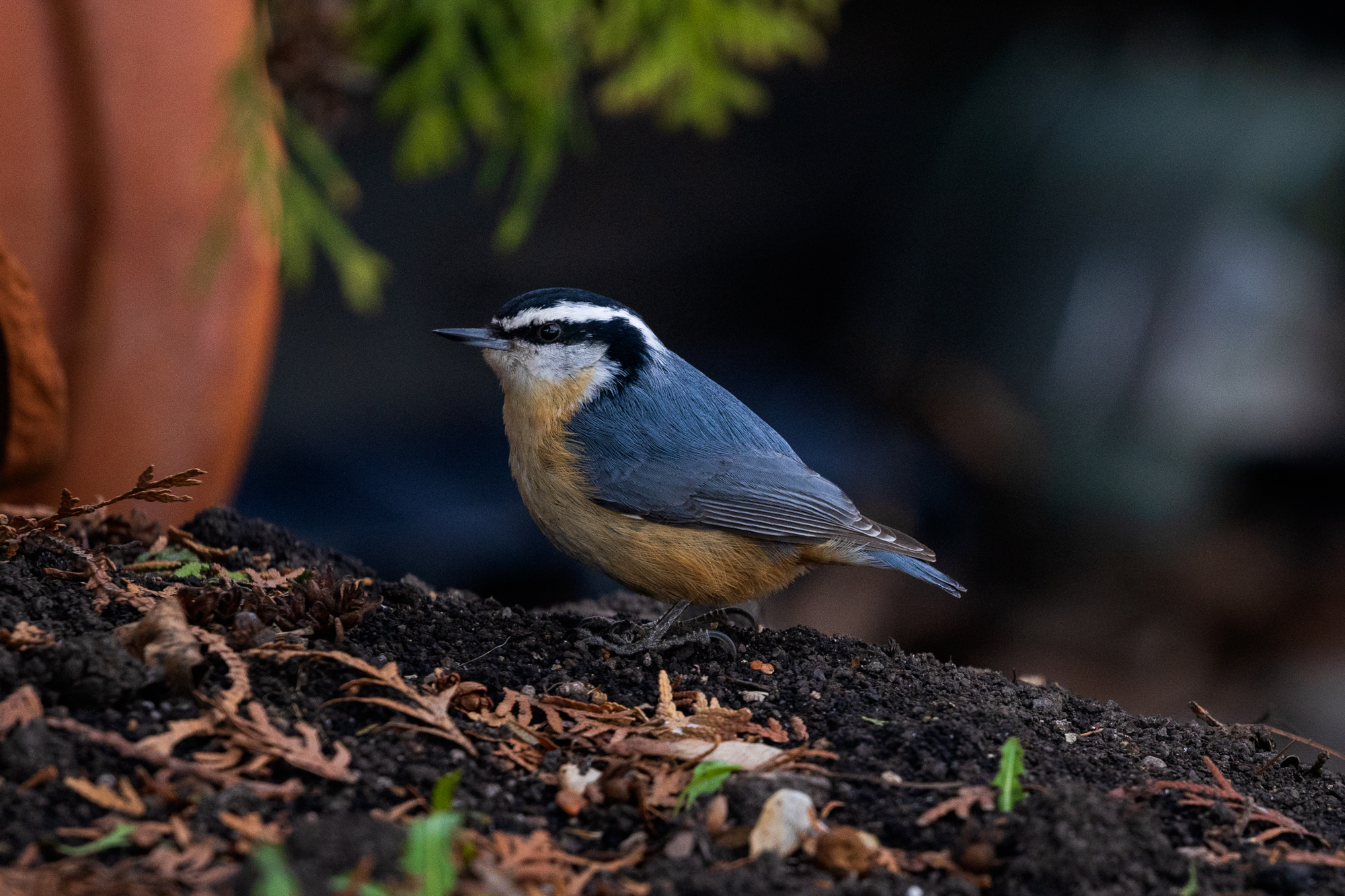
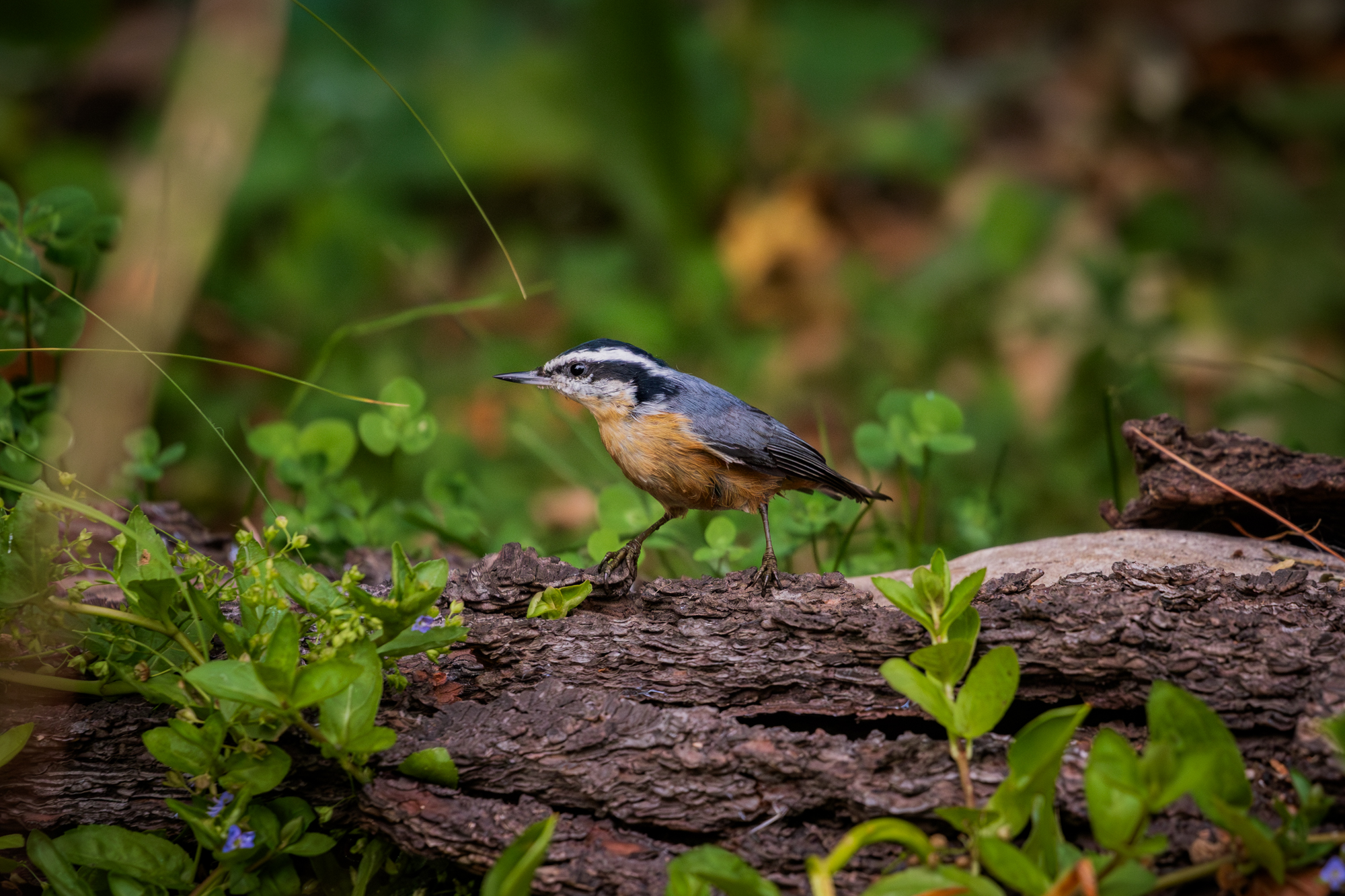
Red-breasted Nuthatch Sitta canadensis





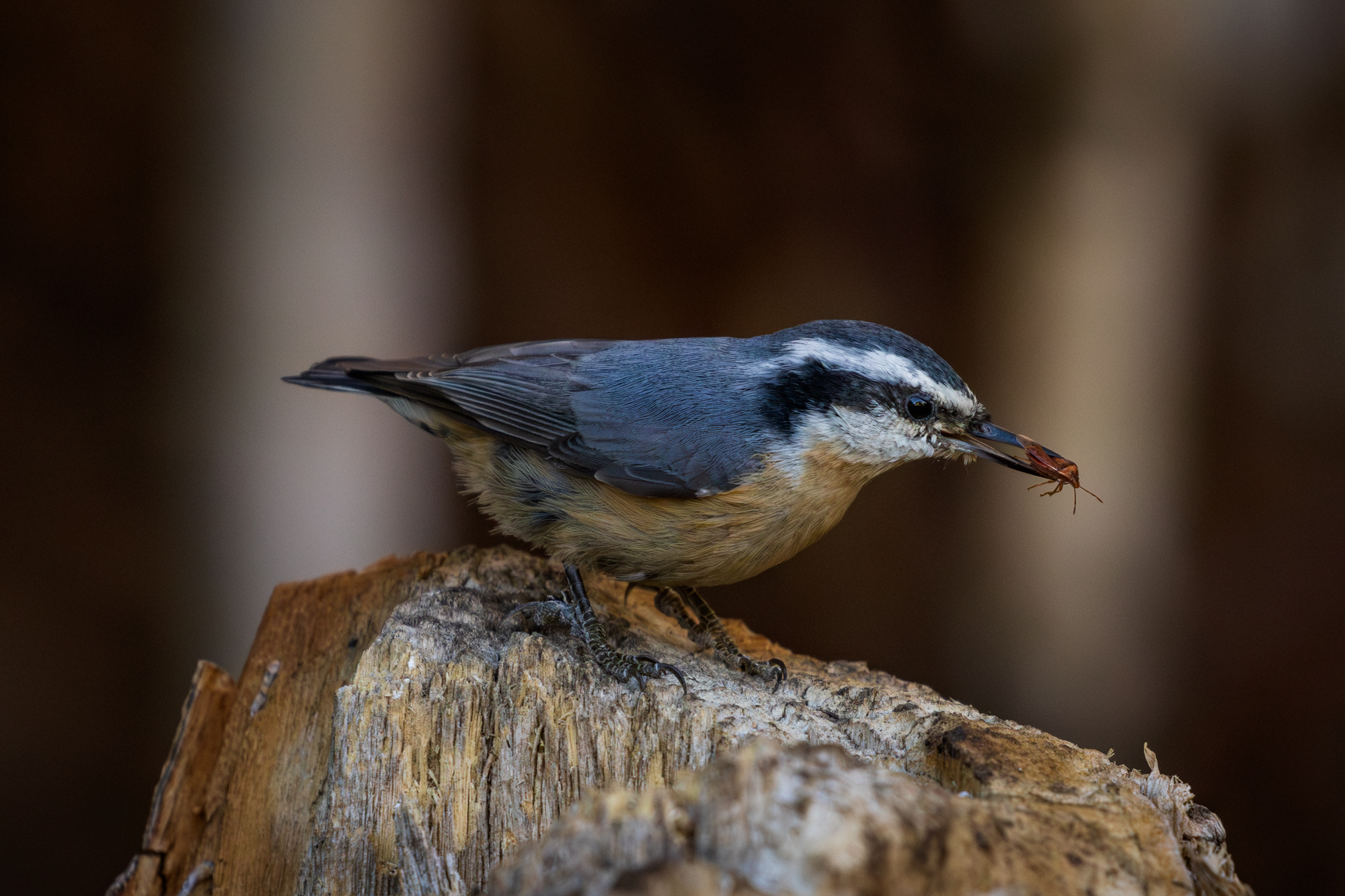

Redpoll Acanthis


Sharp-shinned Hawk Accipiter striatus

Tennessee Warbler Leiothlypis peregrina

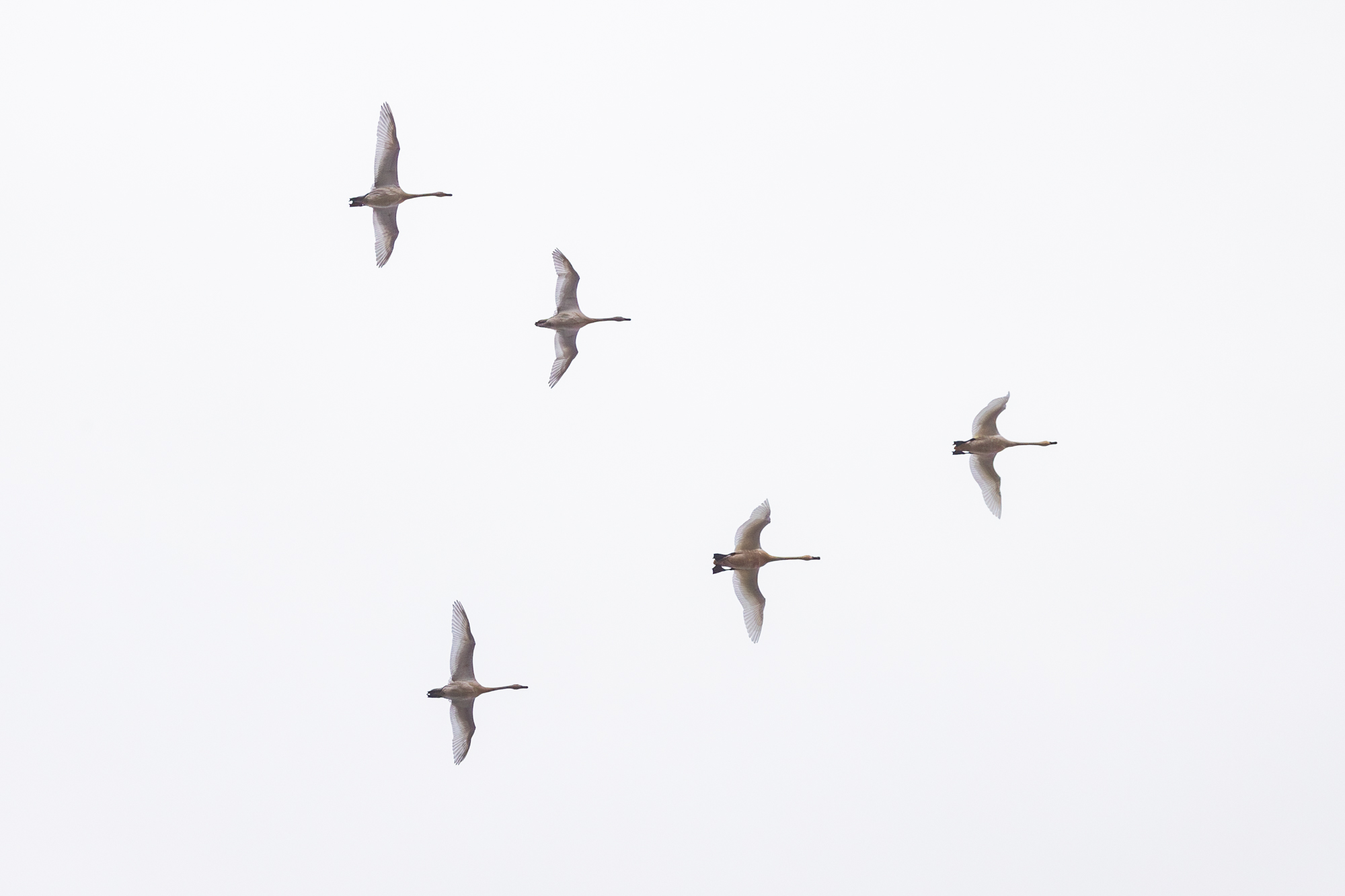
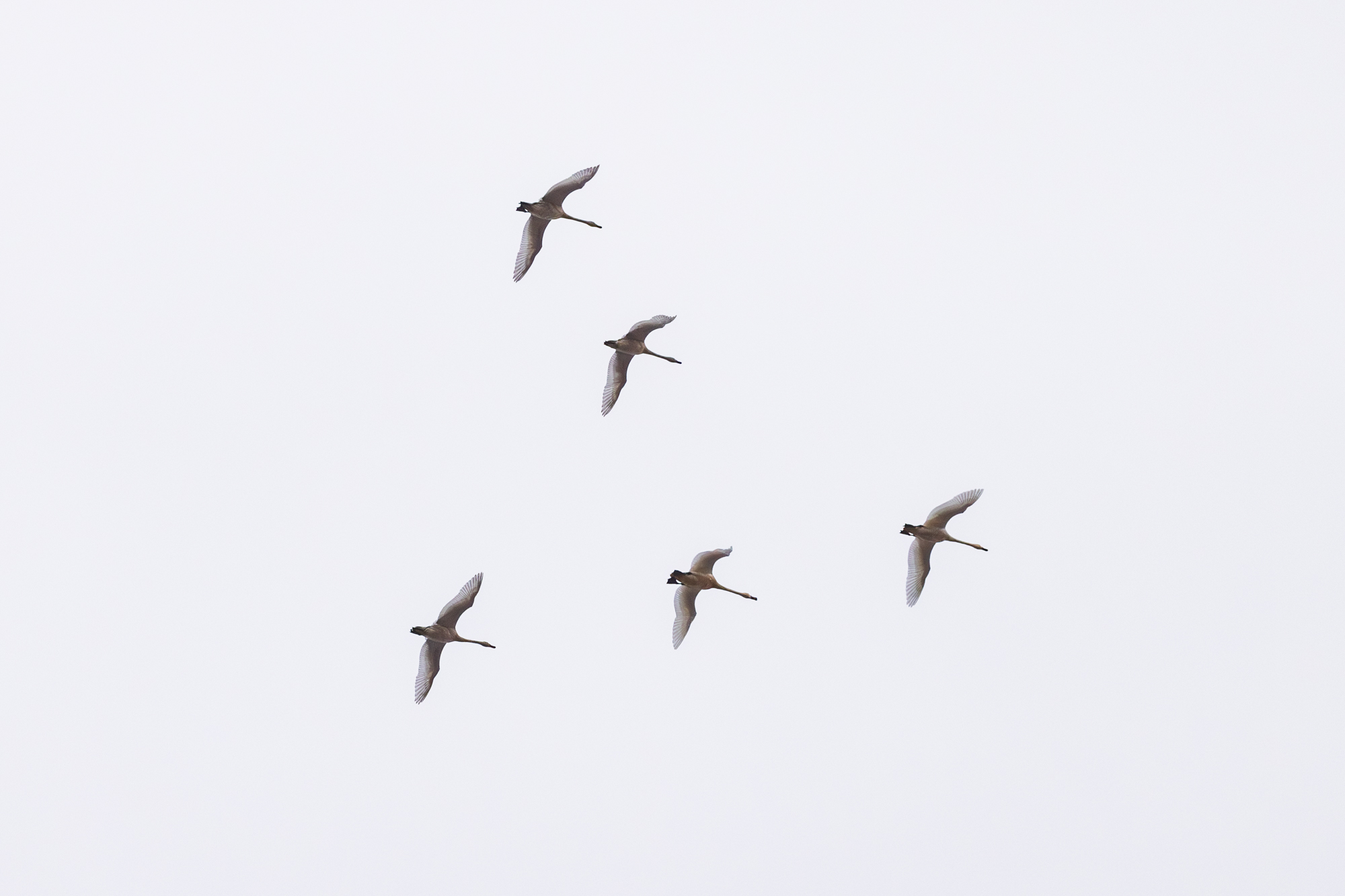
Tundra Swan Cygnus columbianus
Warbling Vireo Vireo gilvus

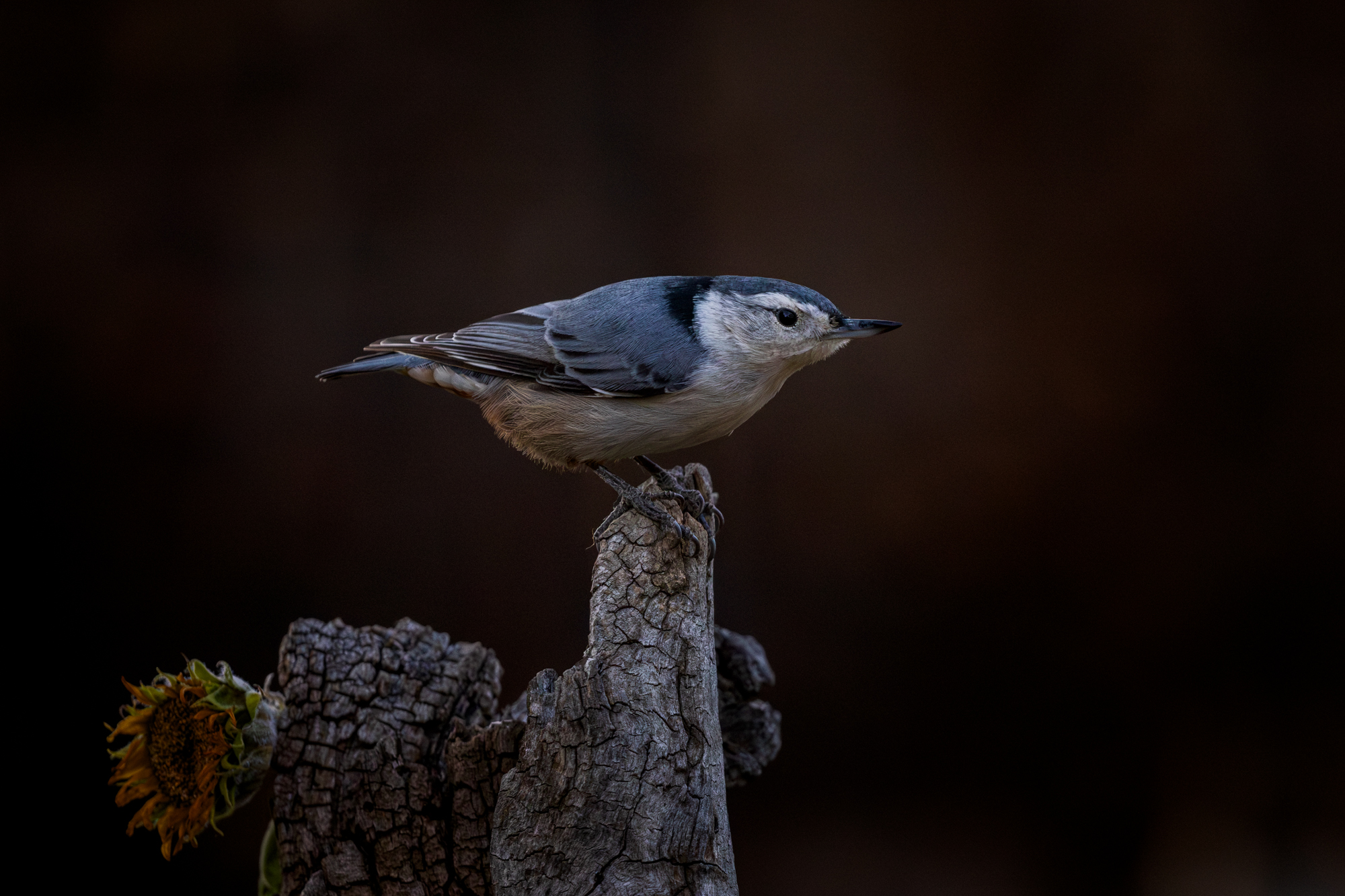
White-breasted Nuthatch Sitta carolinensis


White-crowned Sparrow Zonotrichia leucophrys

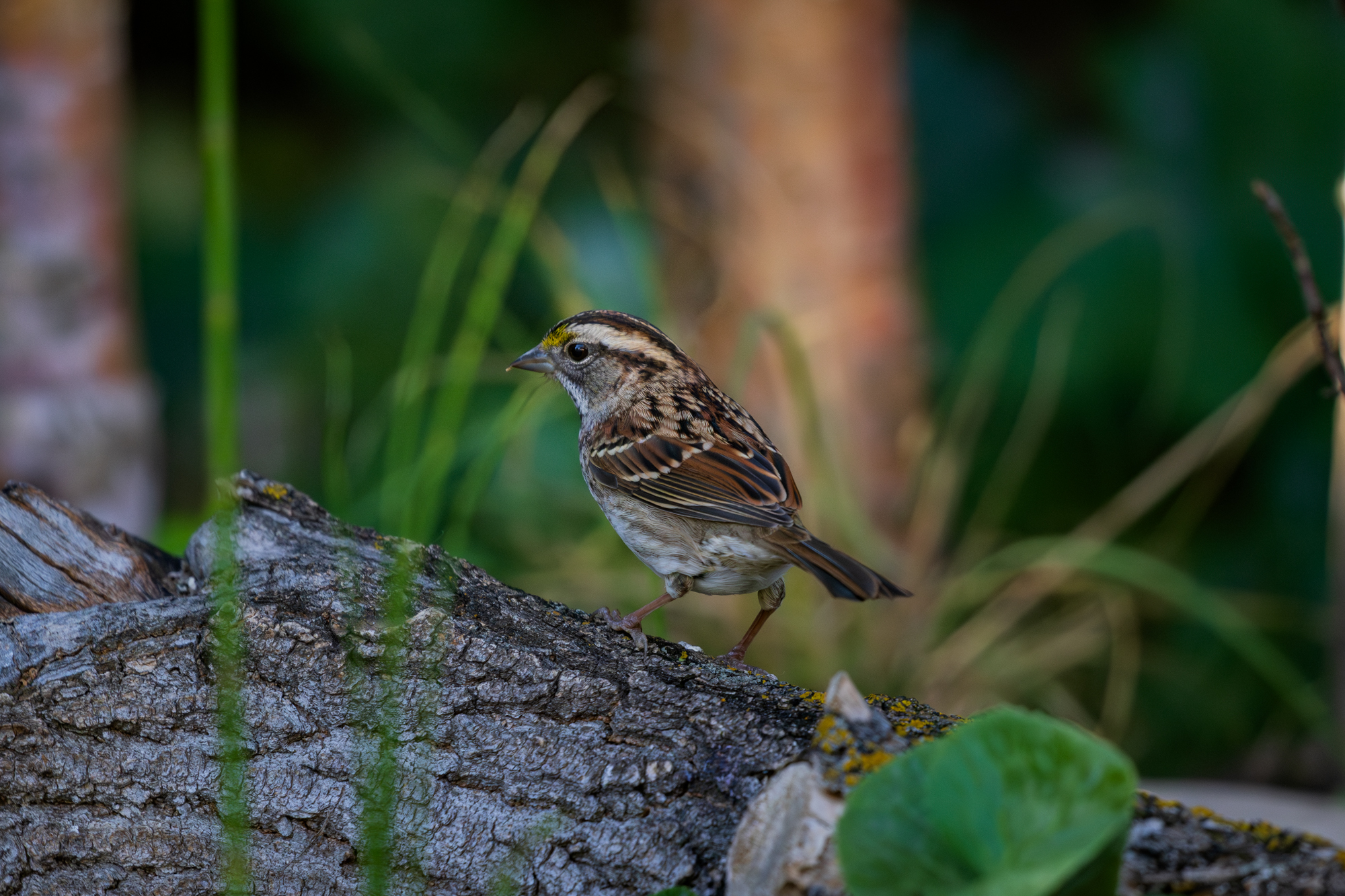
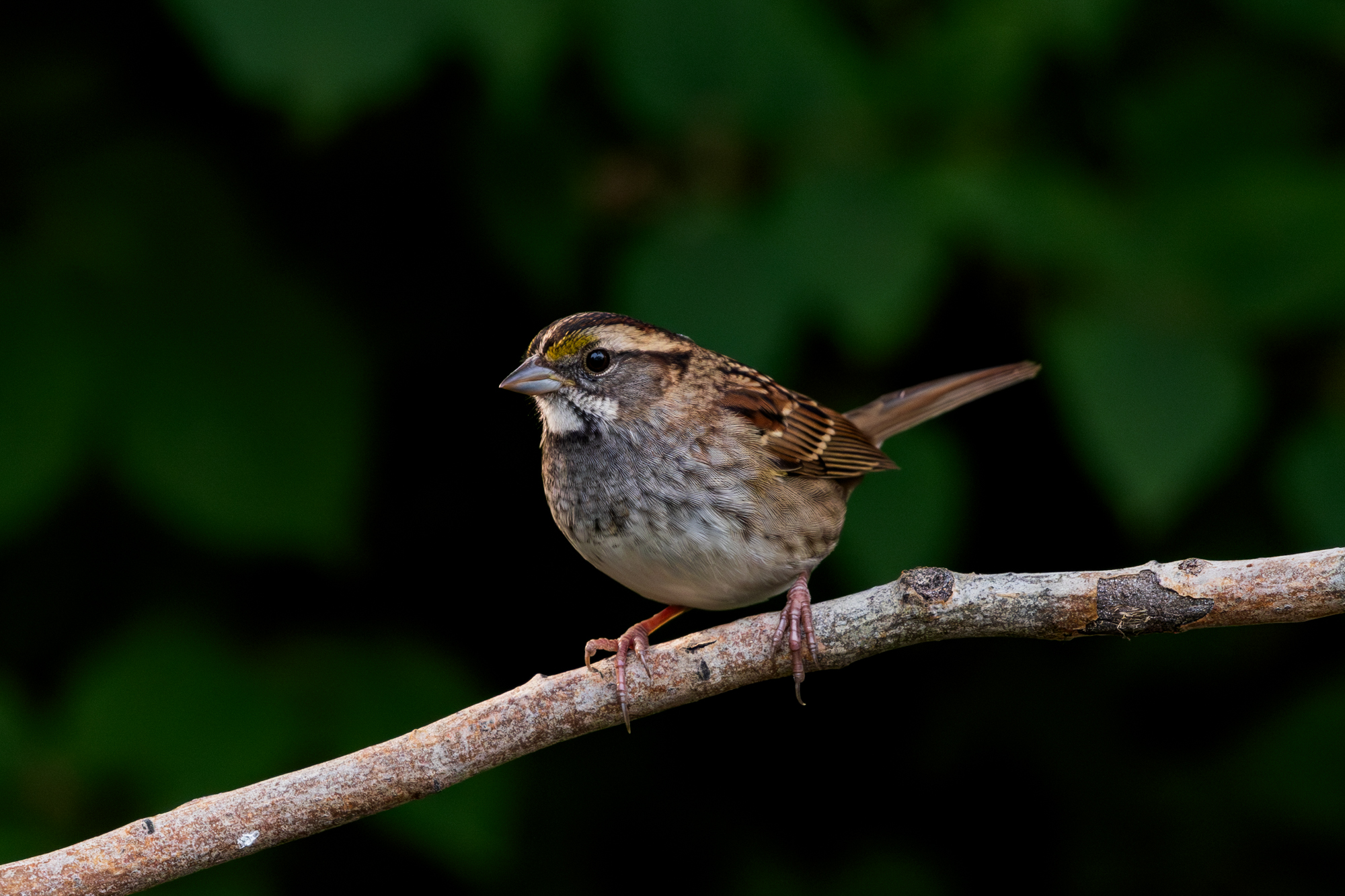
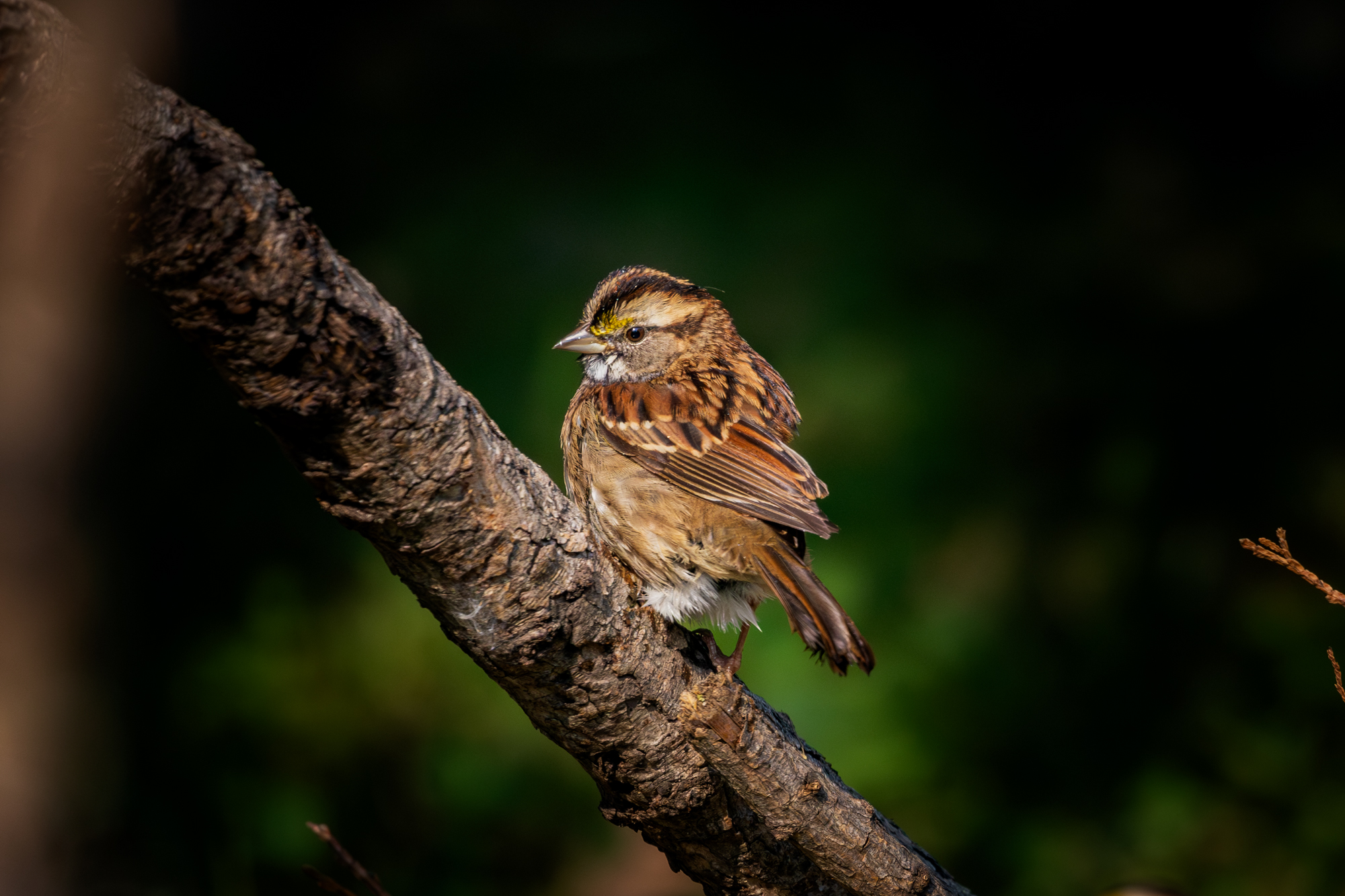
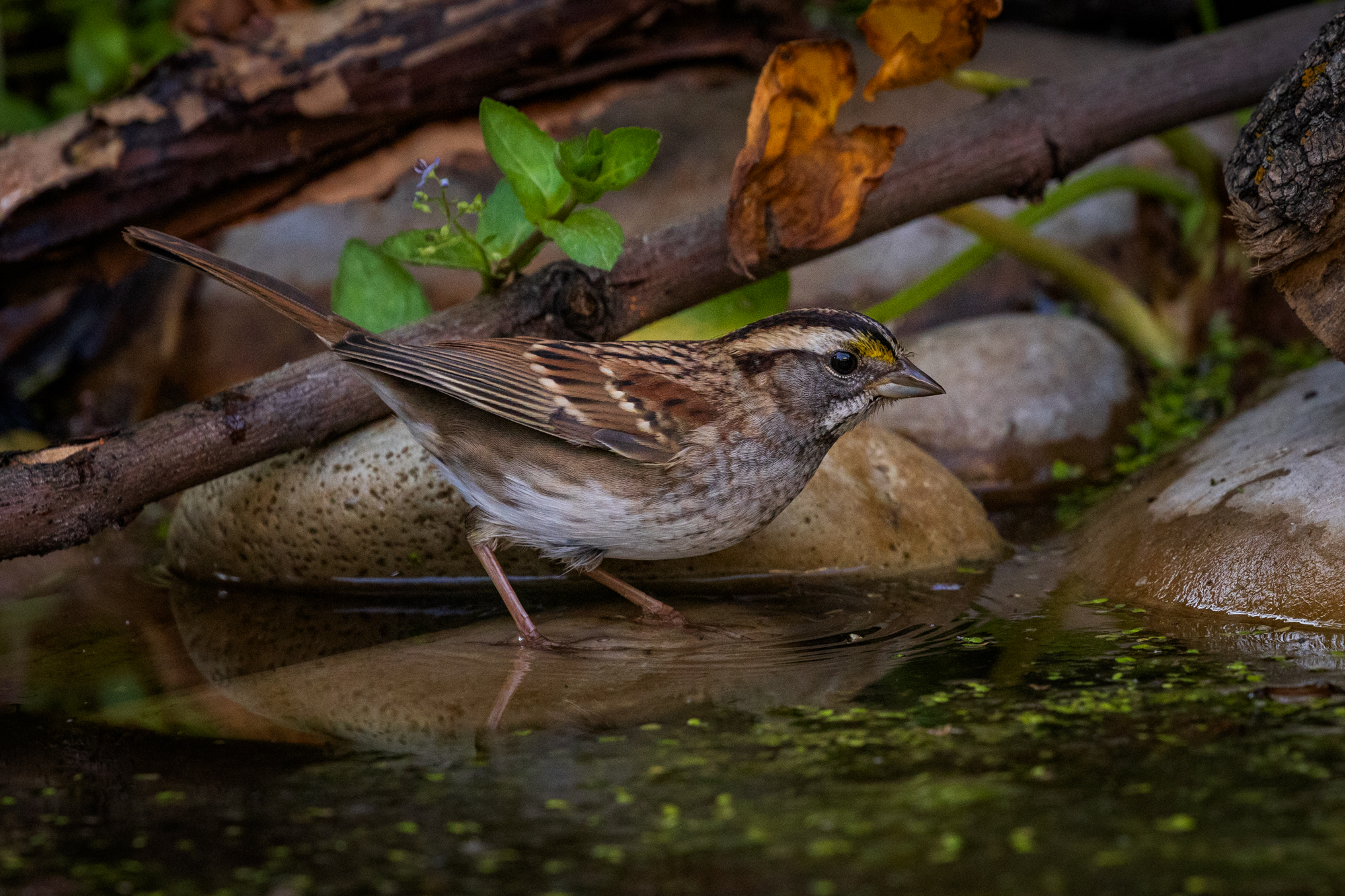
White-throated Sparrow Zonotrichia albicollis





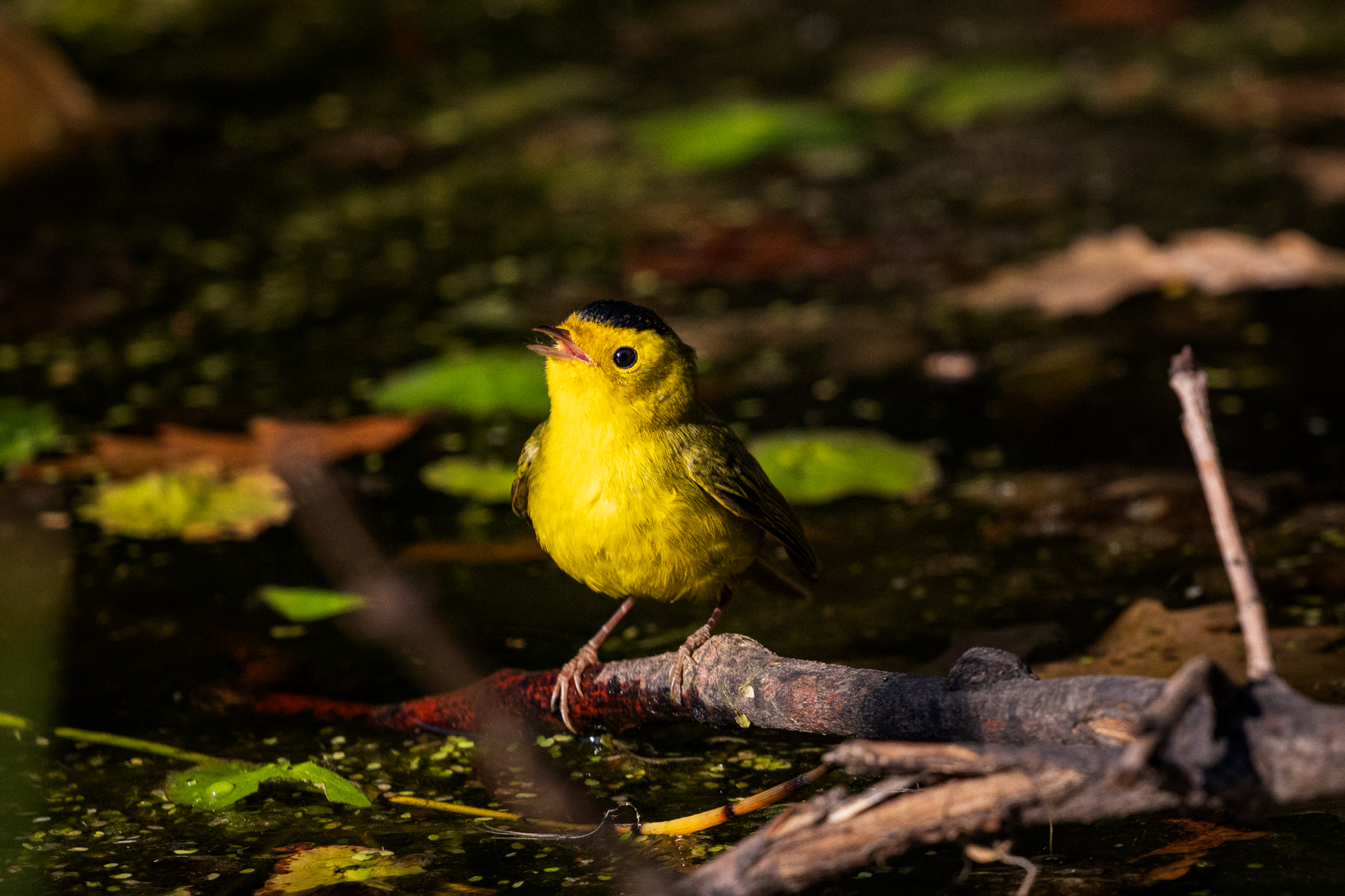
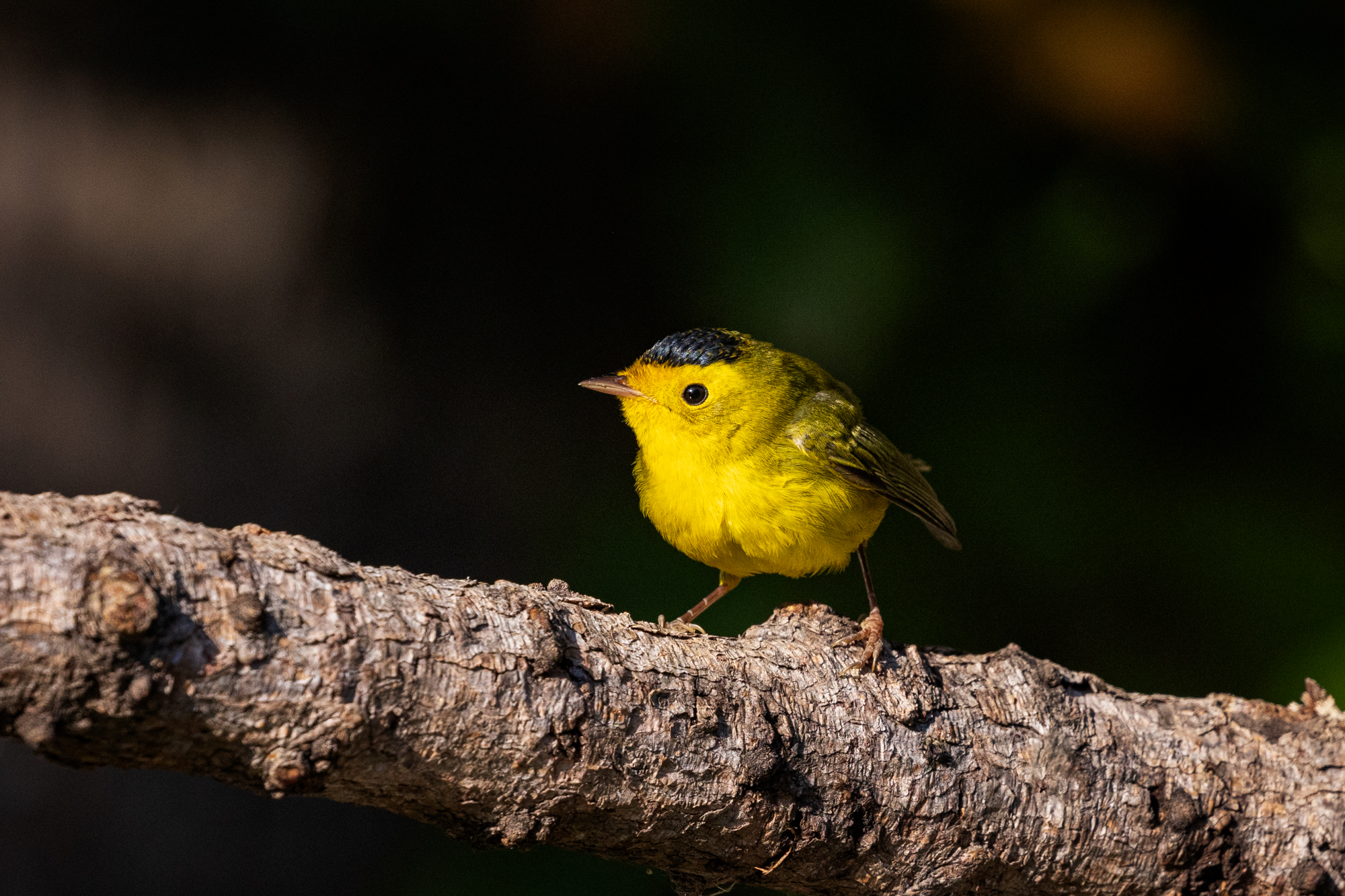
Wilson’s Warbler Cardellina pusilla
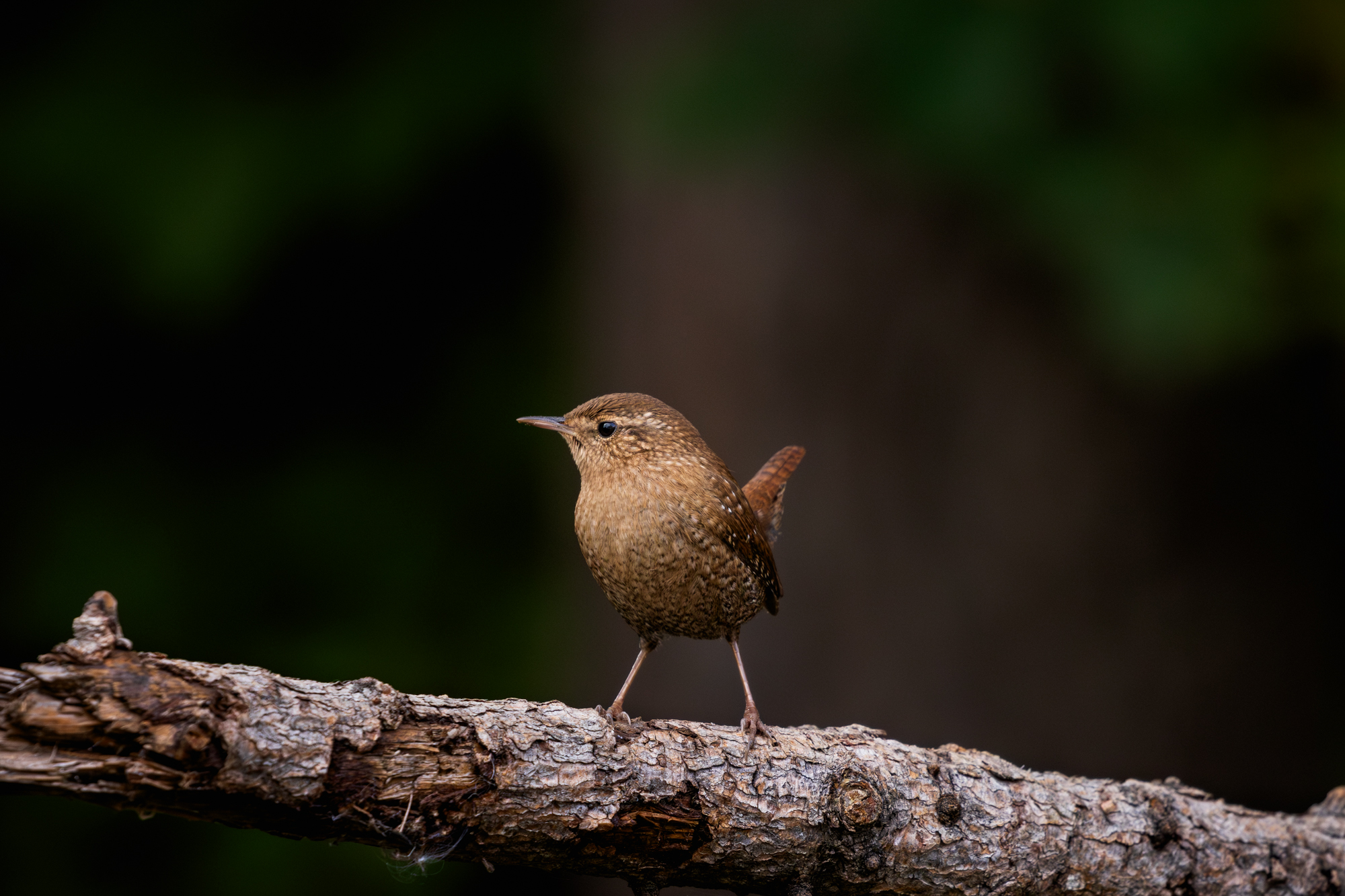
Winter Wren Troglodytes hiemalis


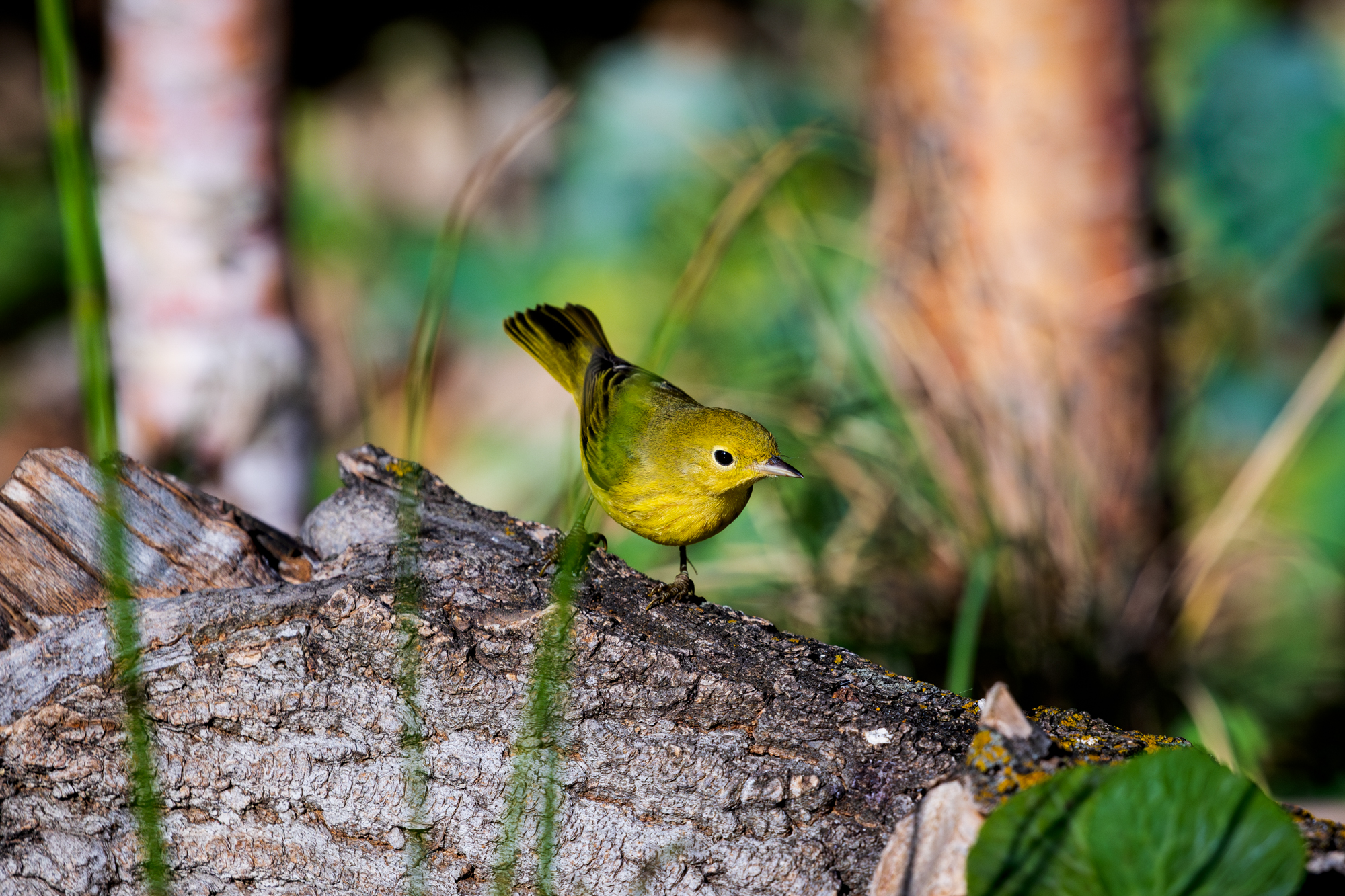
Yellow Warbler Setophaga petechia

Yellow-rumped Warbler Setophaga coronata
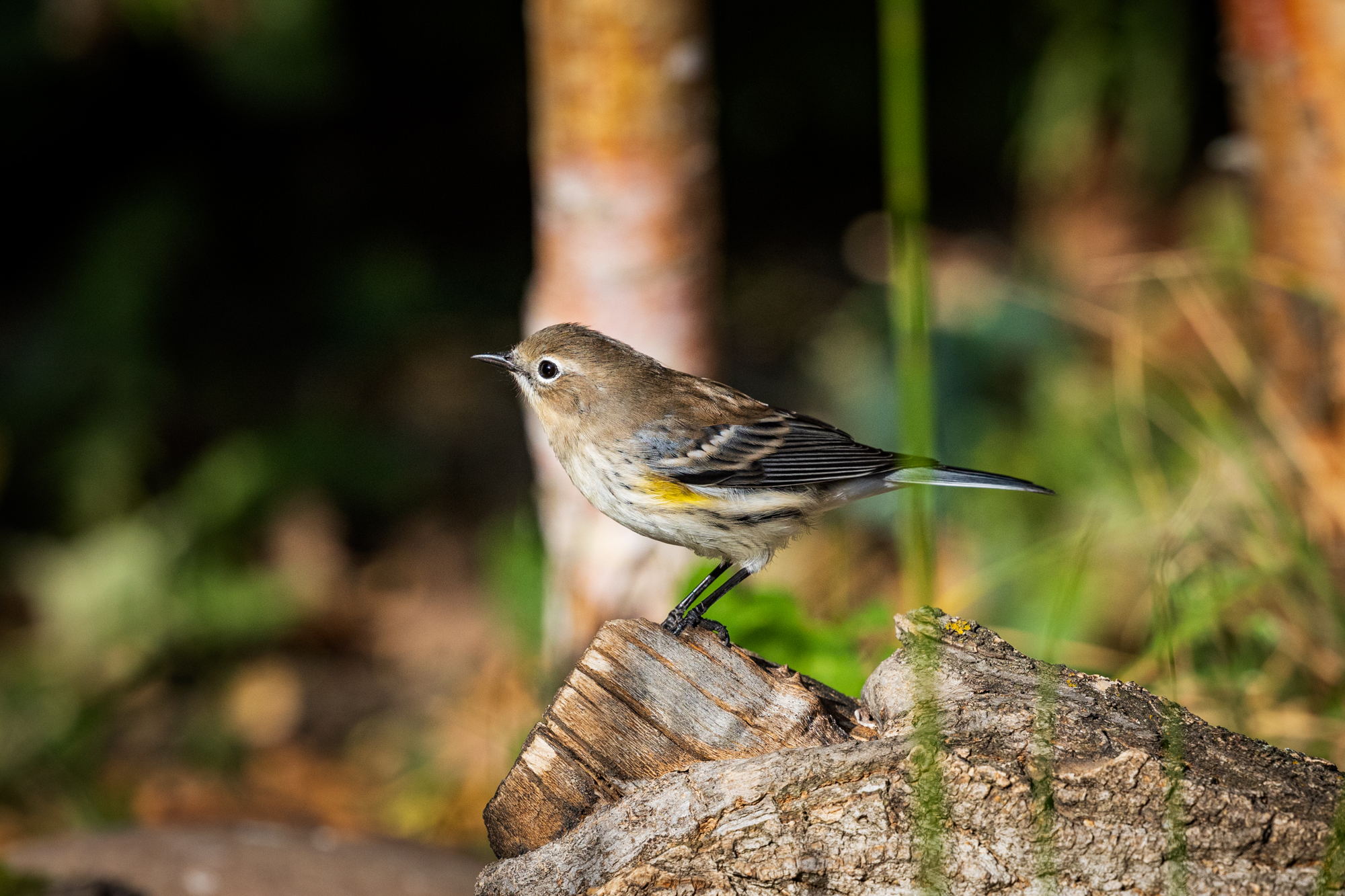


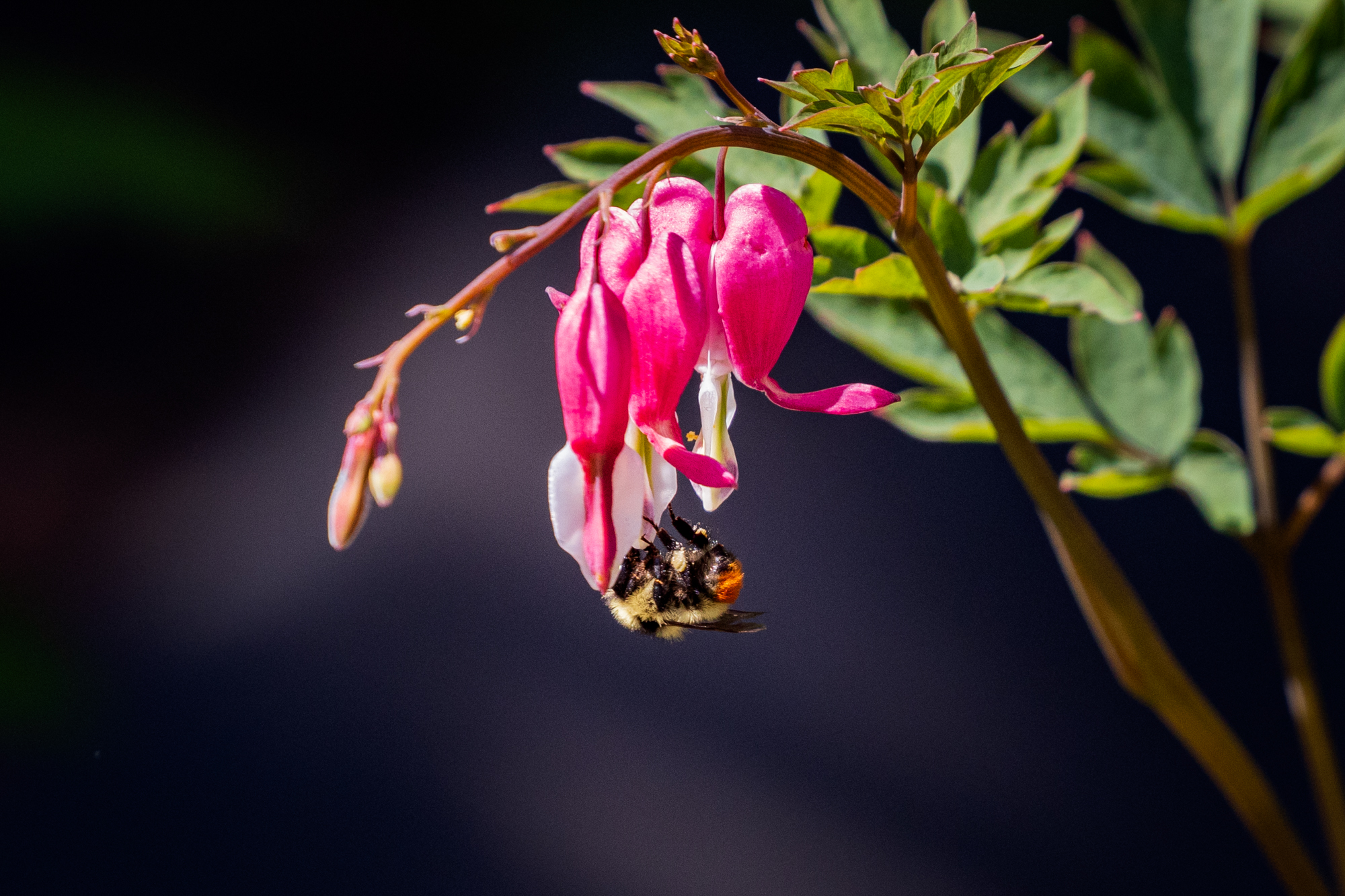
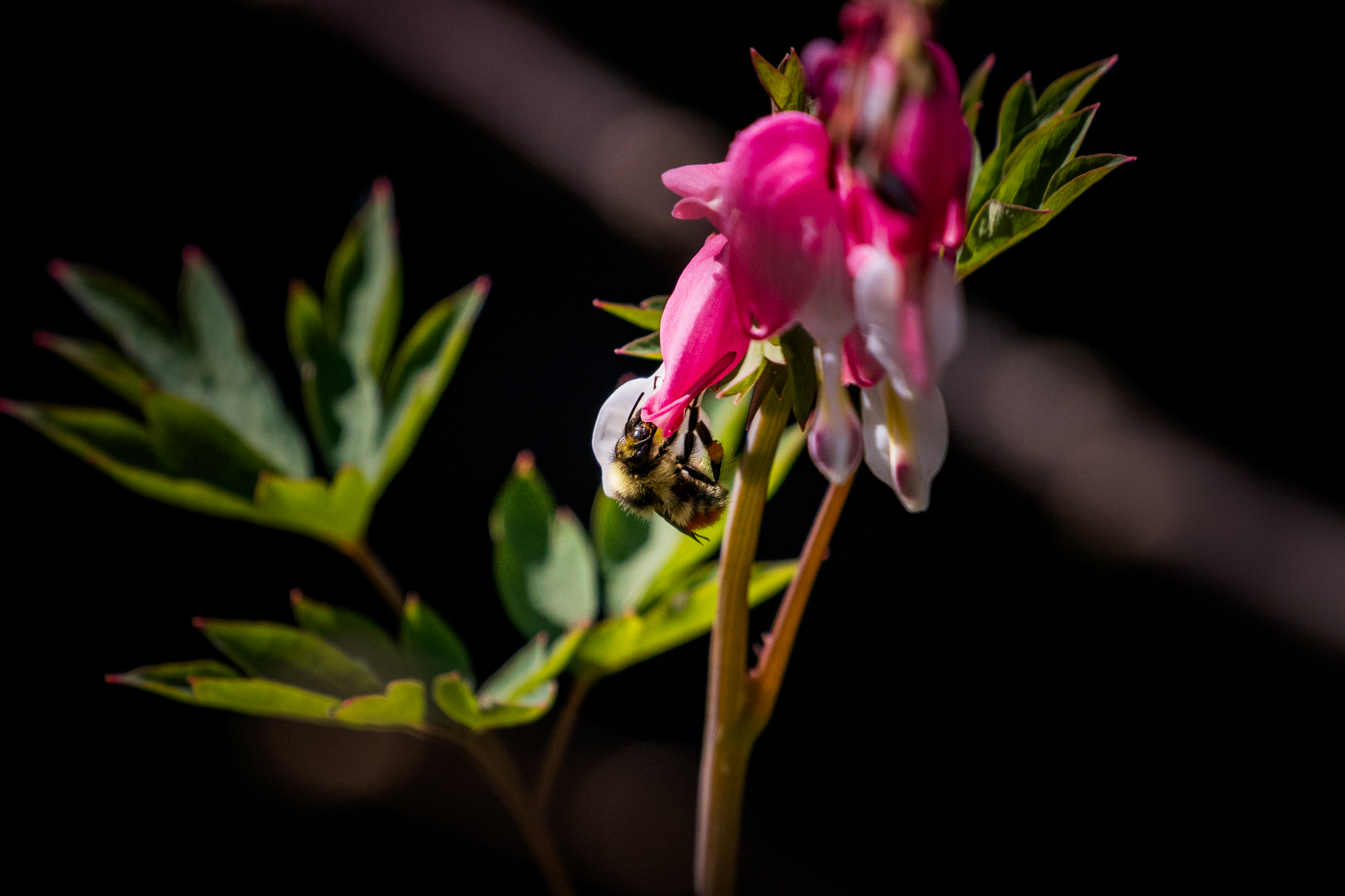
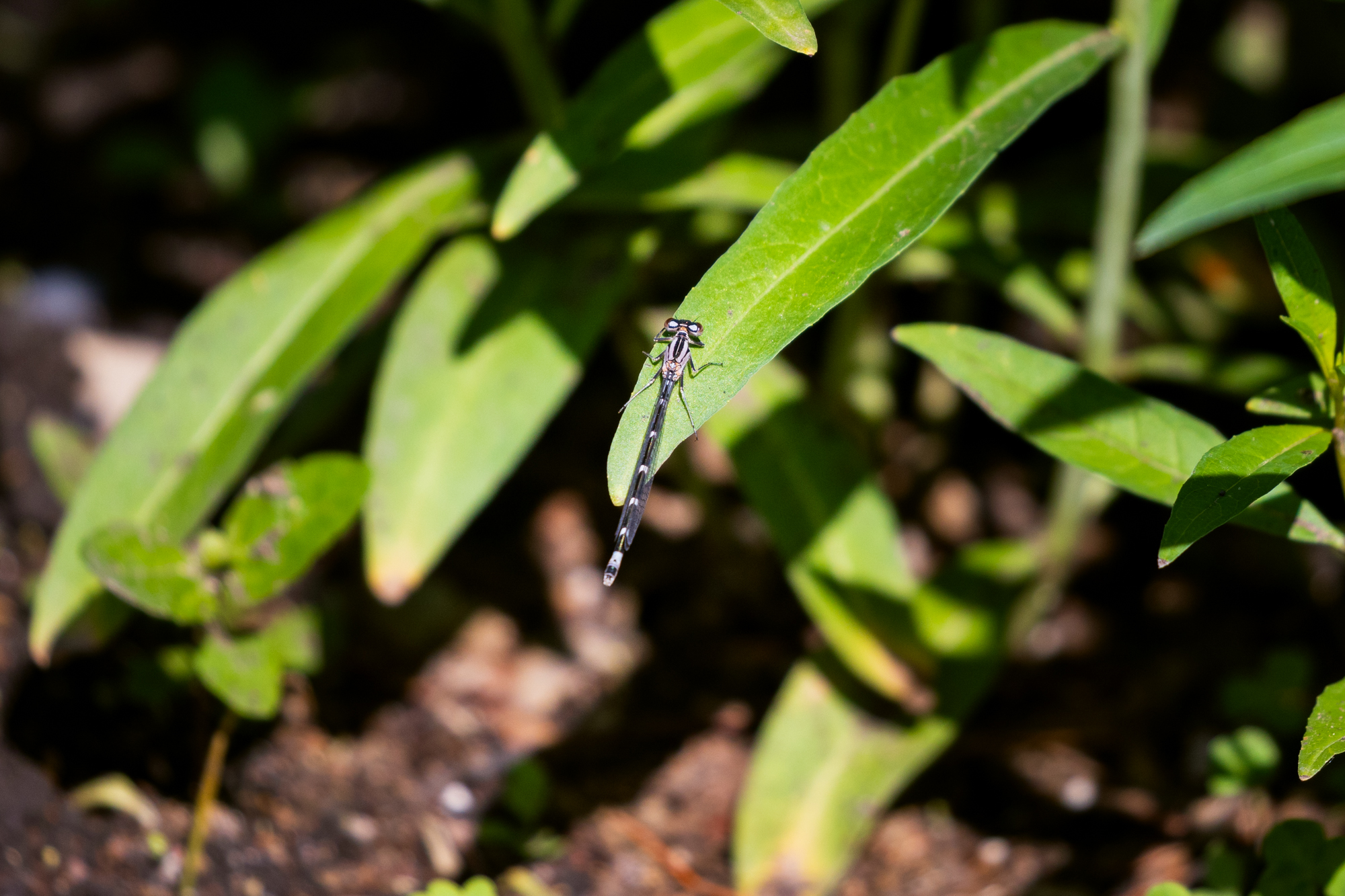
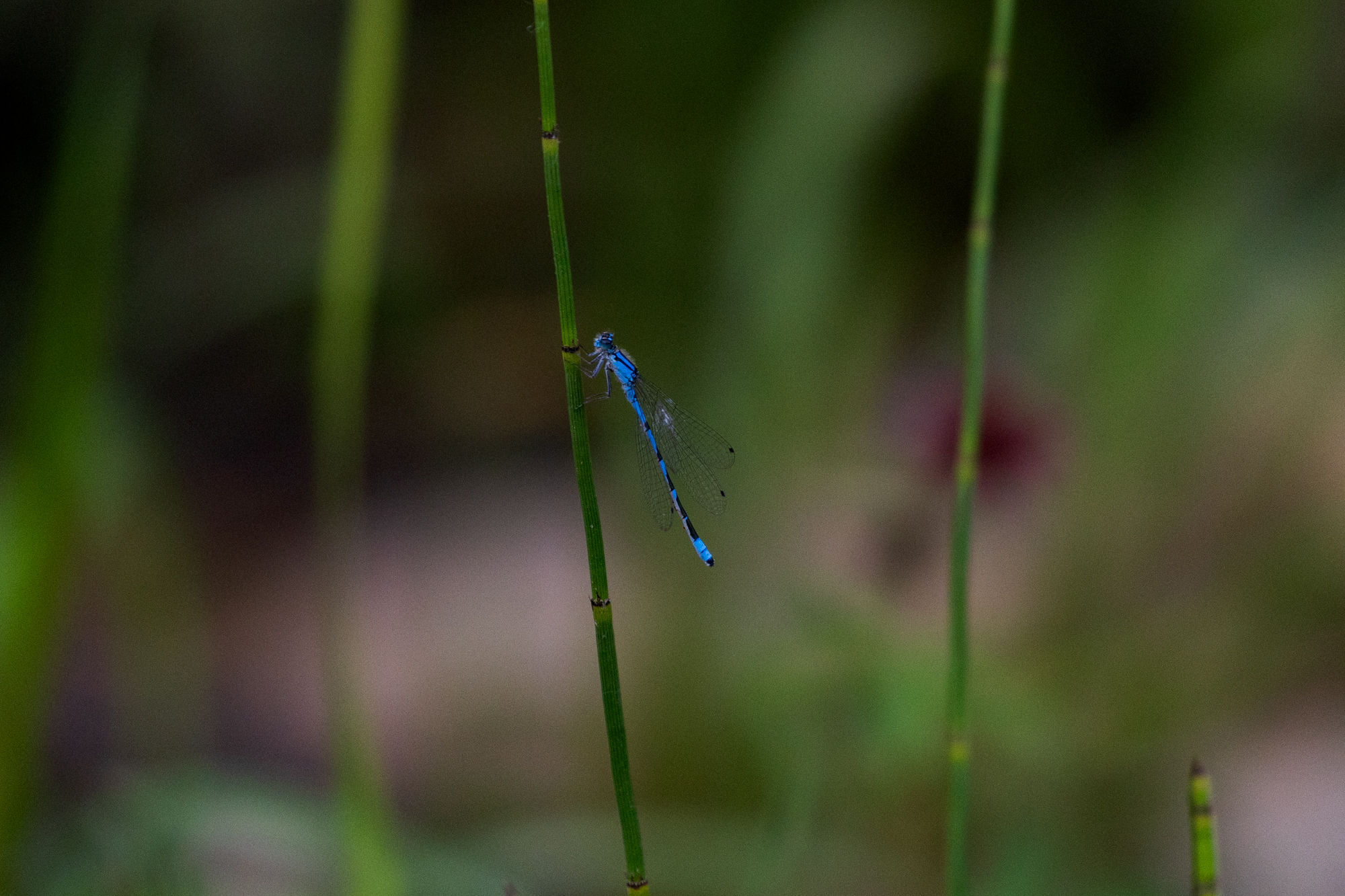
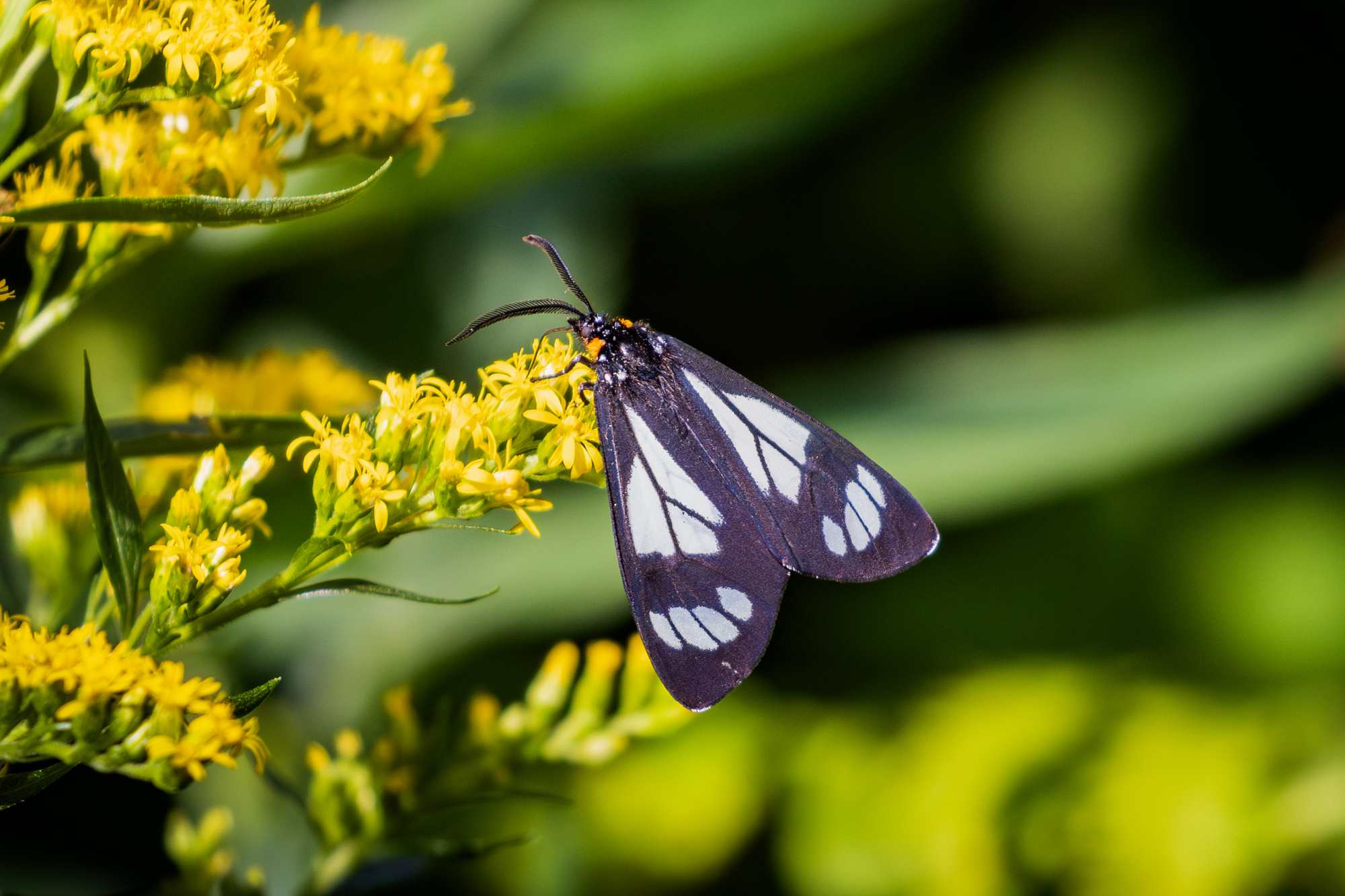
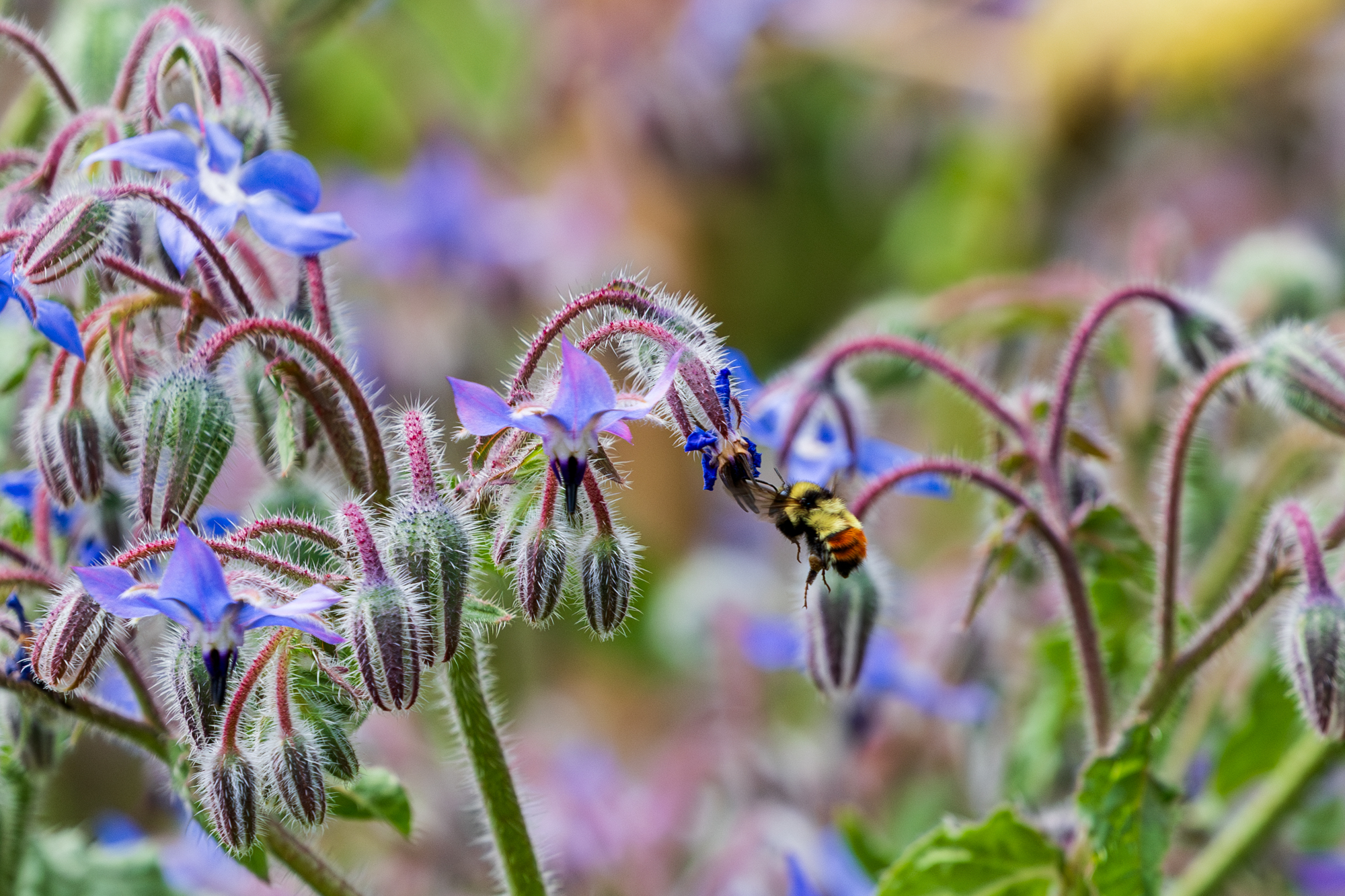
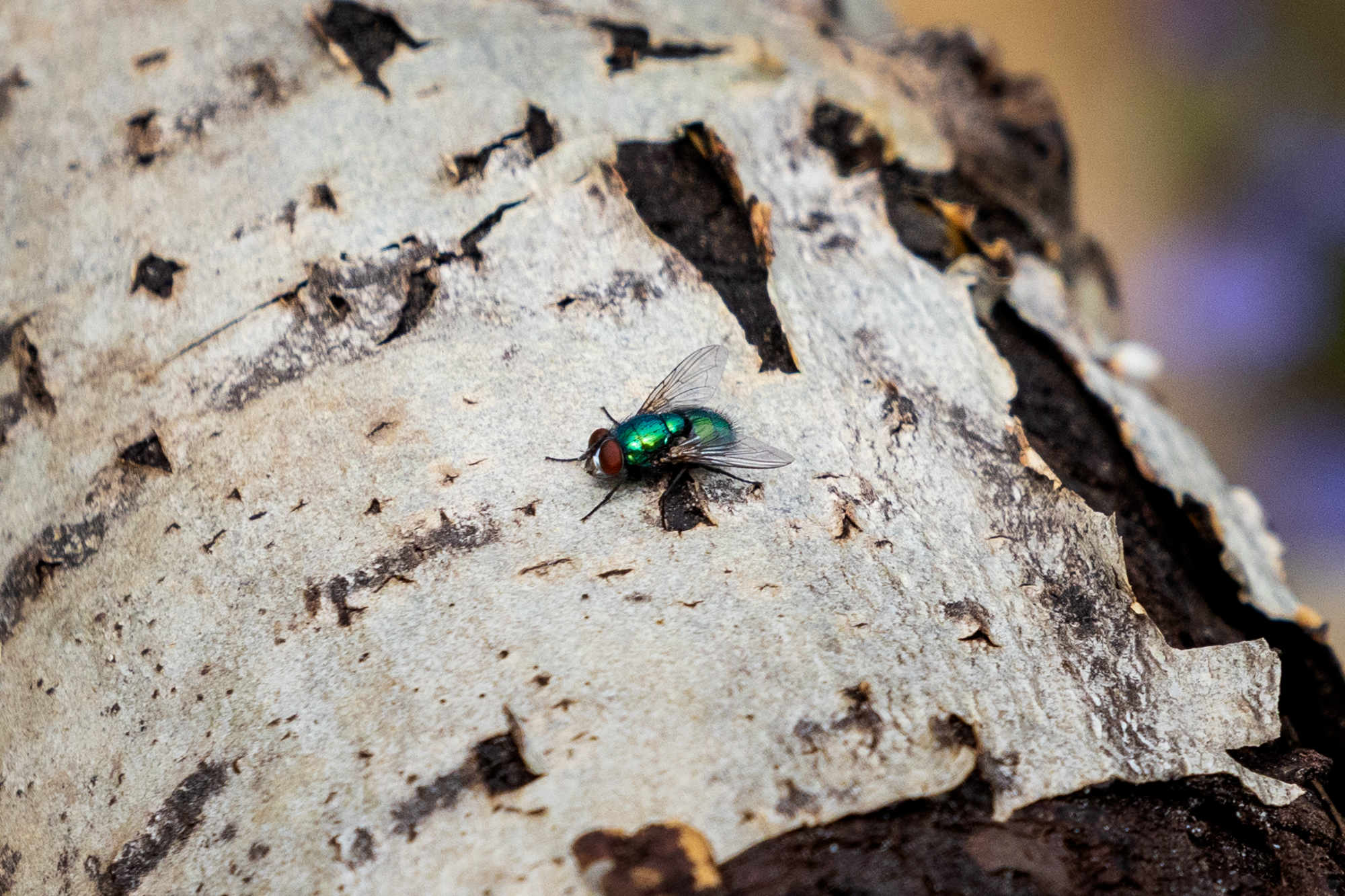
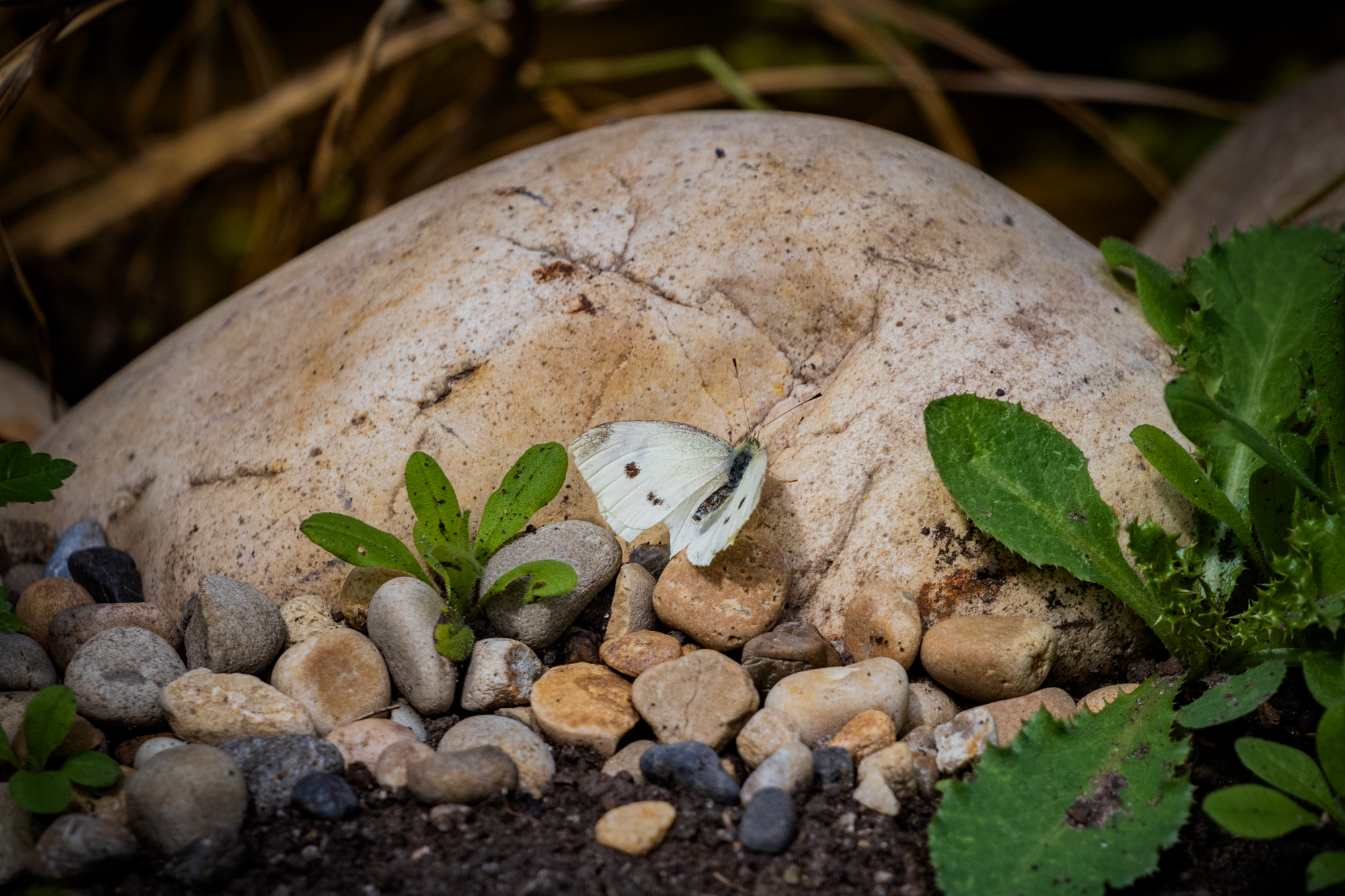
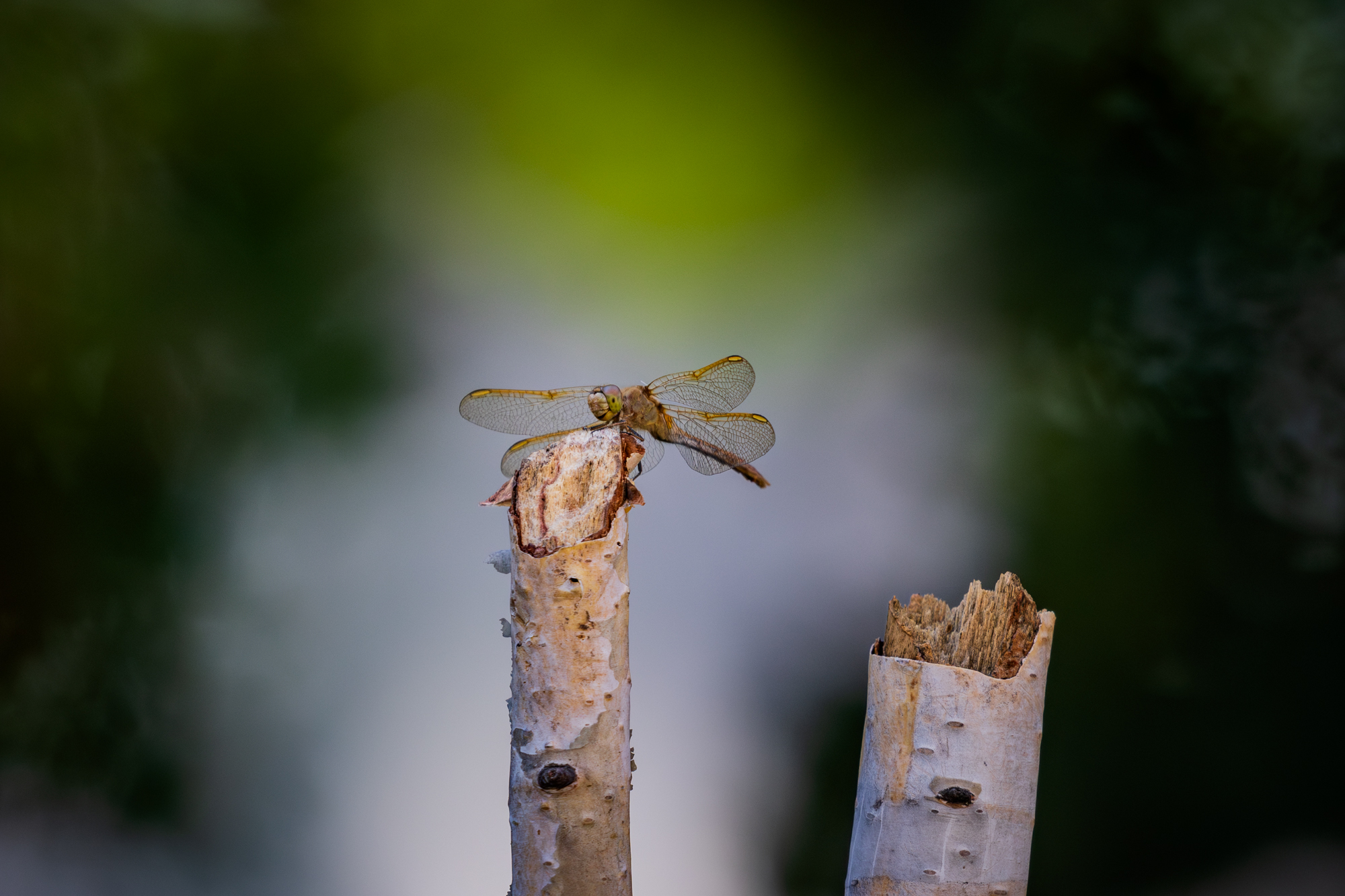
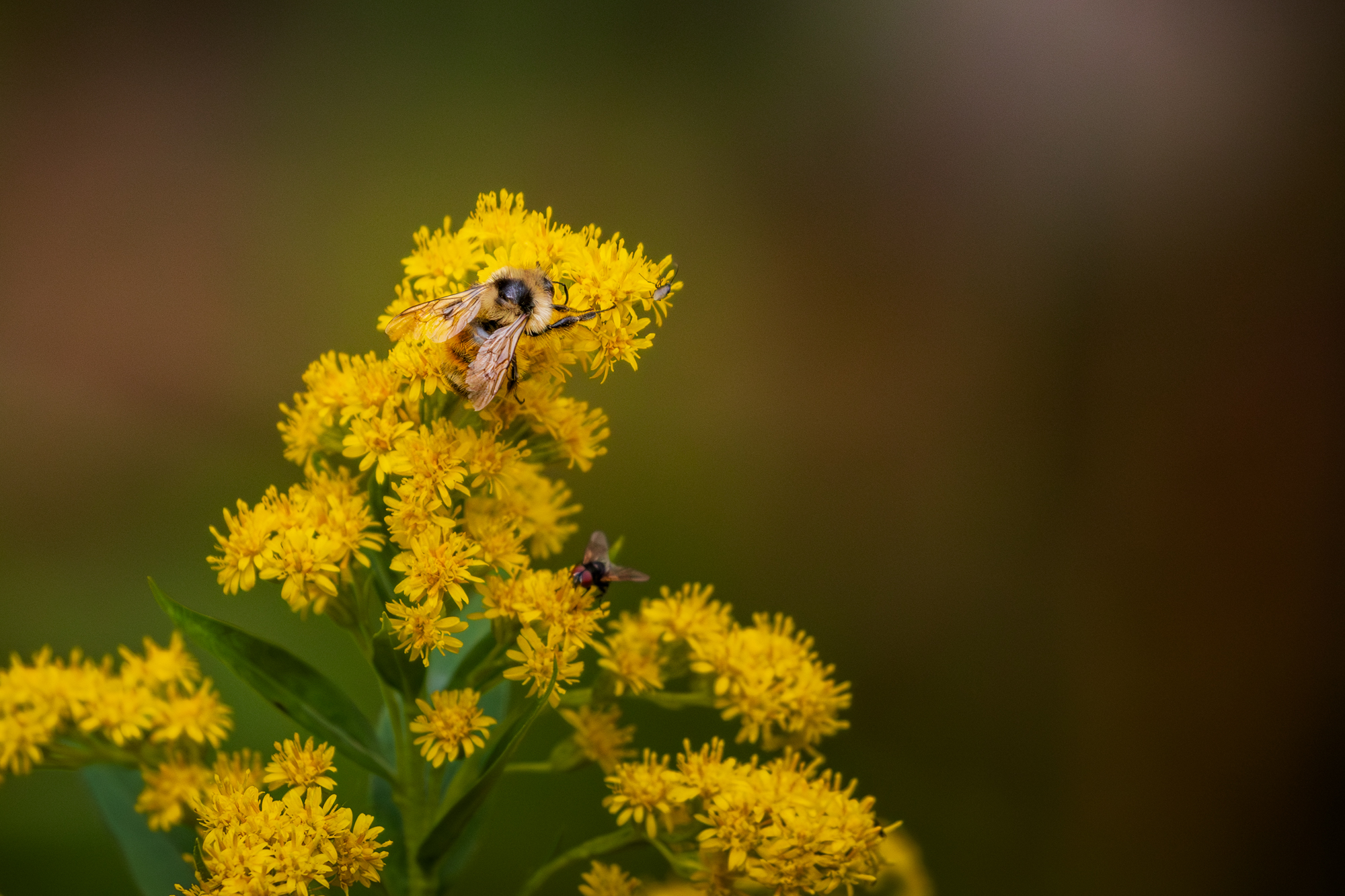
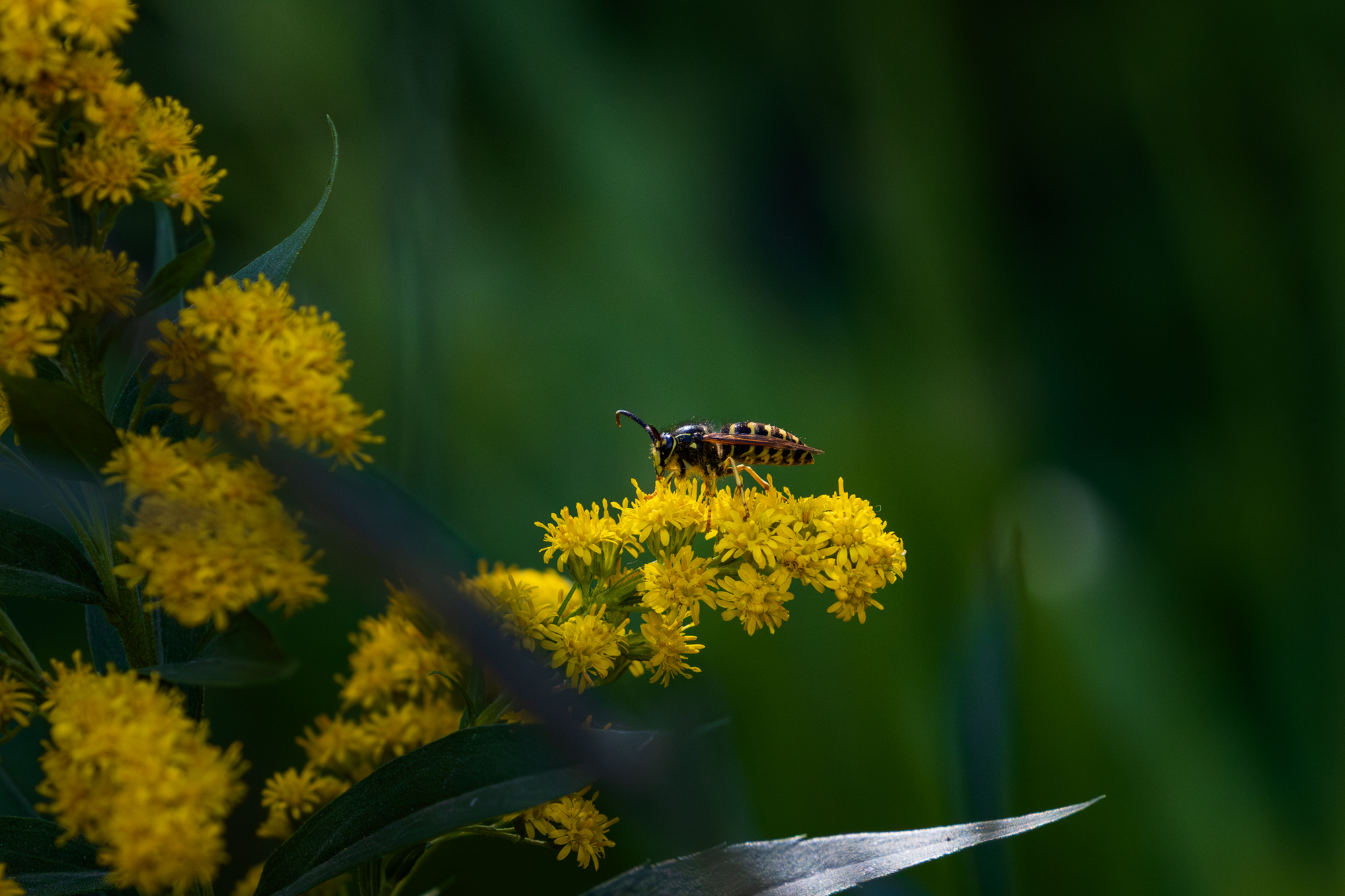
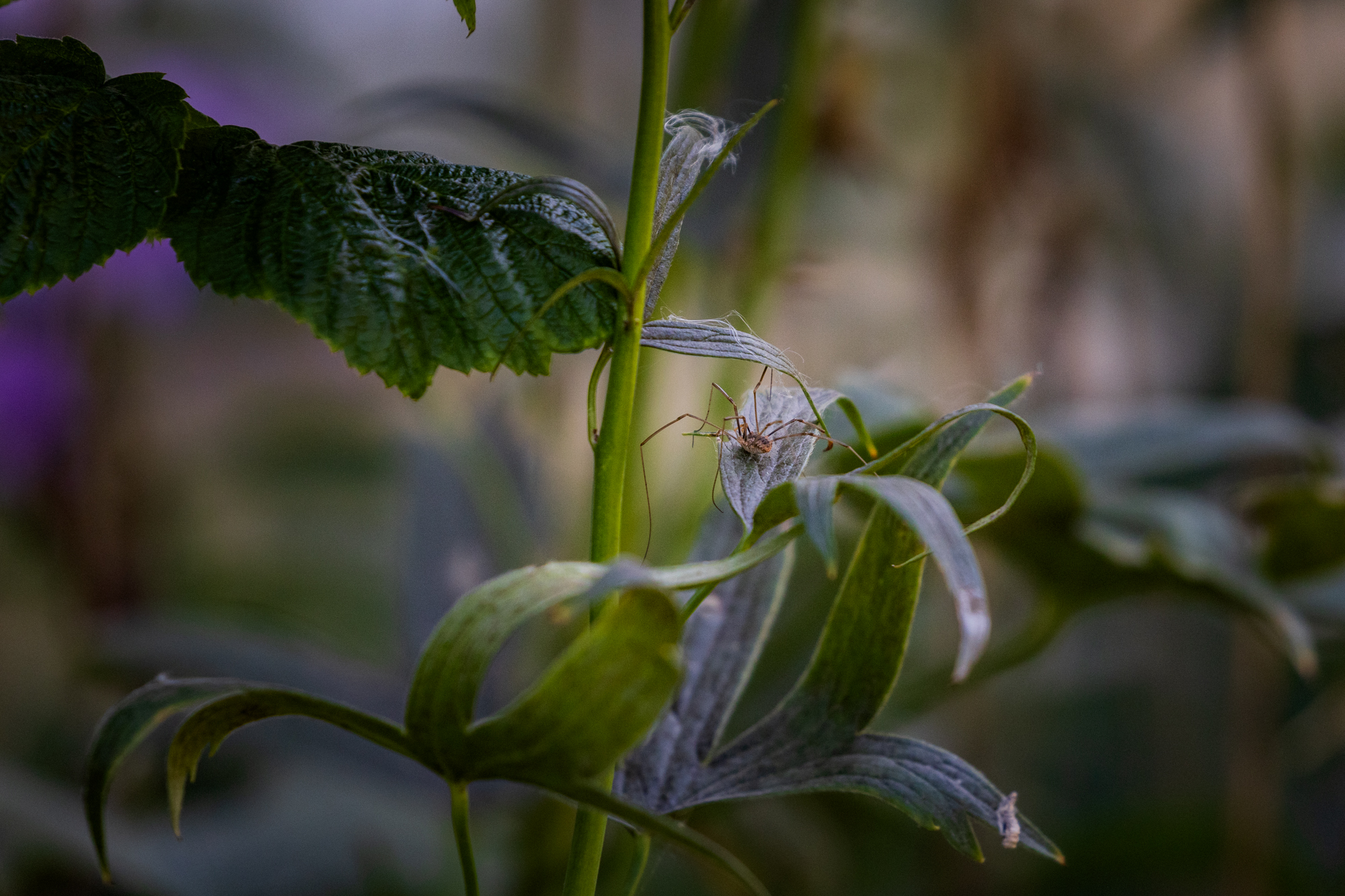
Birds are the most visible visitors, but they’re far from the only ones. Throughout the year, a range of other wildlife made use of the yard – from butterflies and moths to squirrels, rabbits, mice and spiders – each a small, unmistakable sign of a space actively coming to life. Here is a selection of my 2025 backyard mammal and insect photos, grouped by species and shown in chronological order. Use the arrows to browse through each species gallery.
Mammals
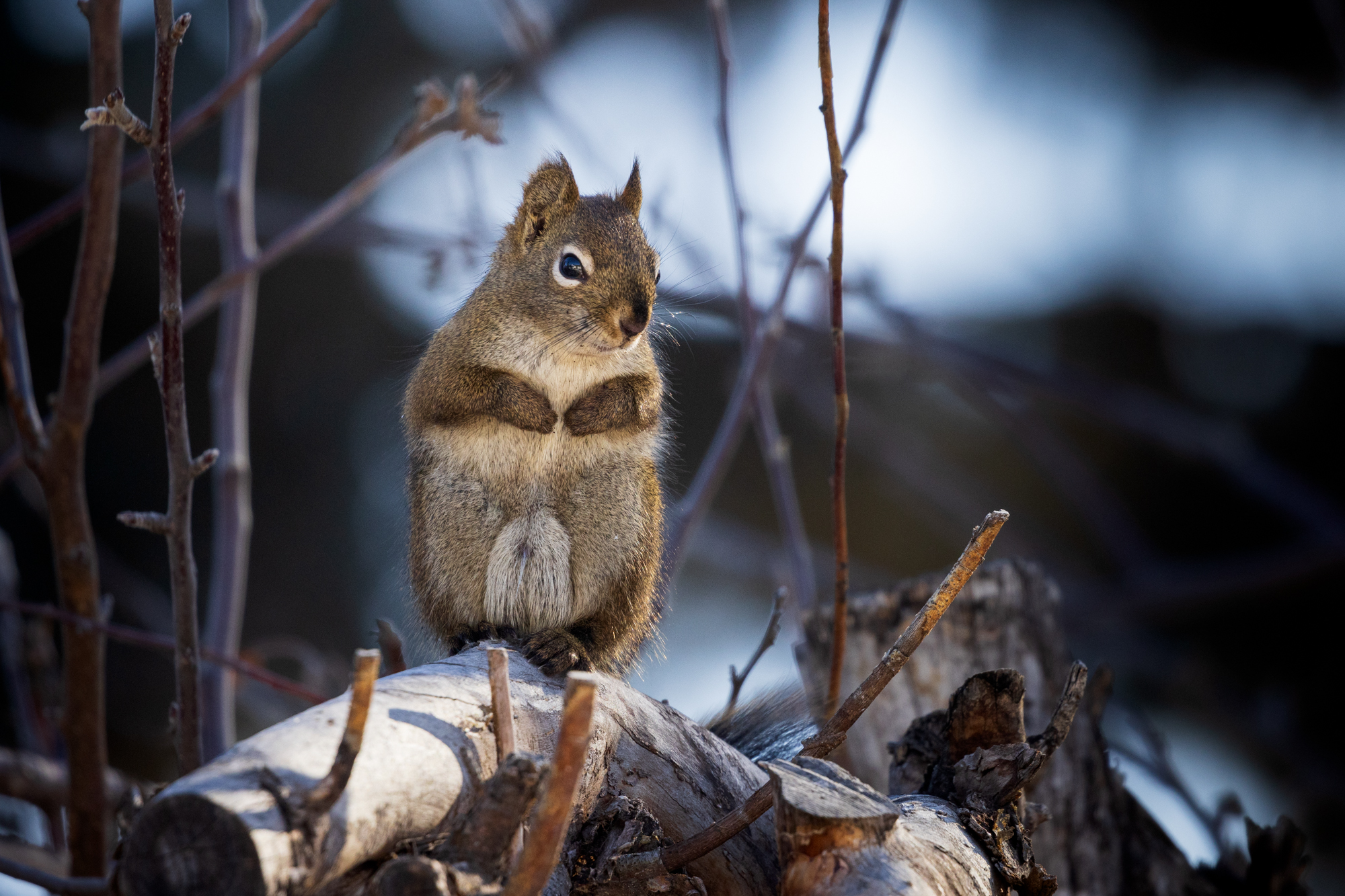
American Red Squirrel 
American Red Squirrel 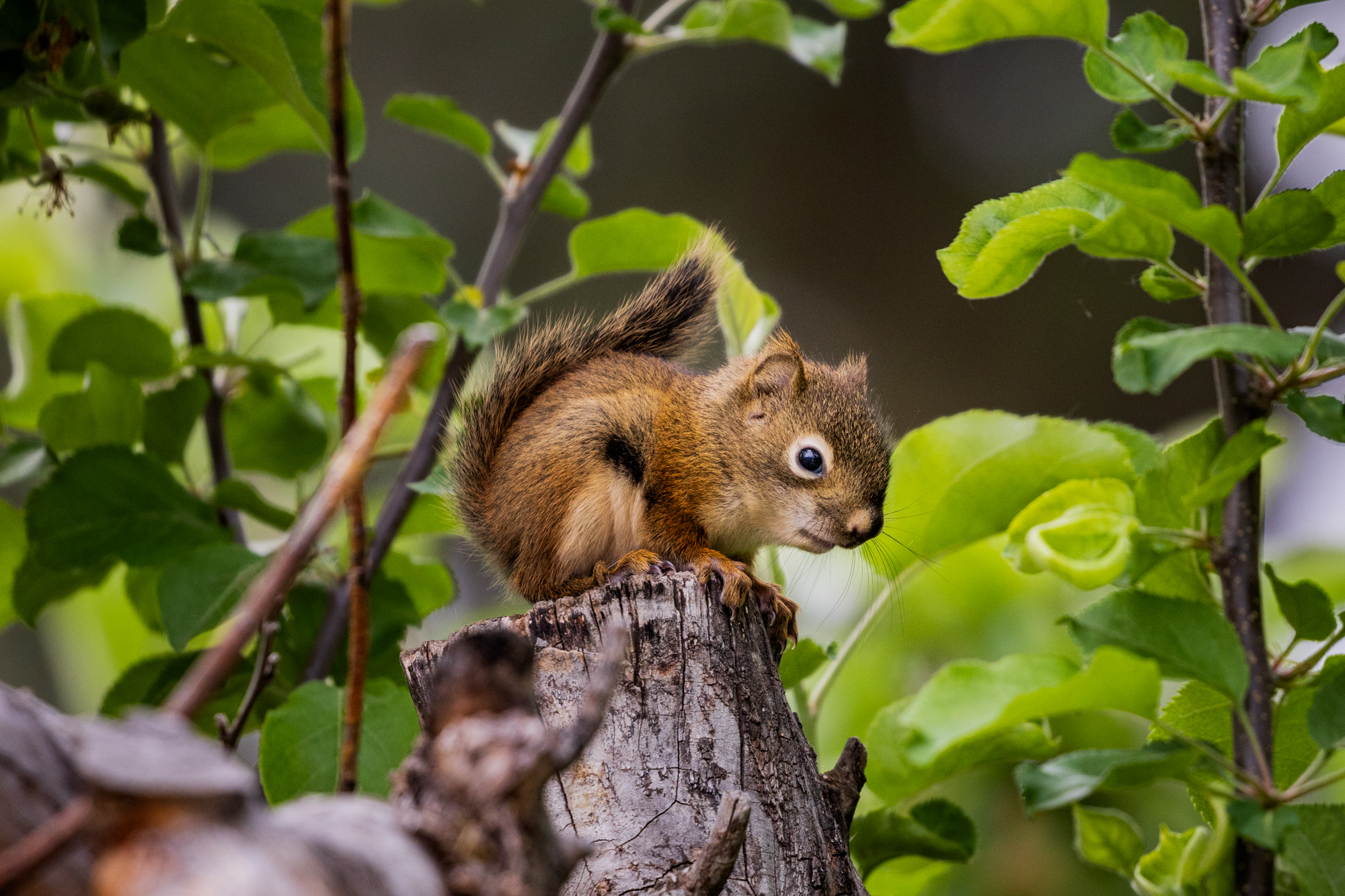
American Red Squirrel 
White-tailed Jackrabbit 
American Red Squirrel 
American Red Squirrel 
American Red Squirrel 
American Red Squirrel 
American Red Squirrel 
American Red Squirrel 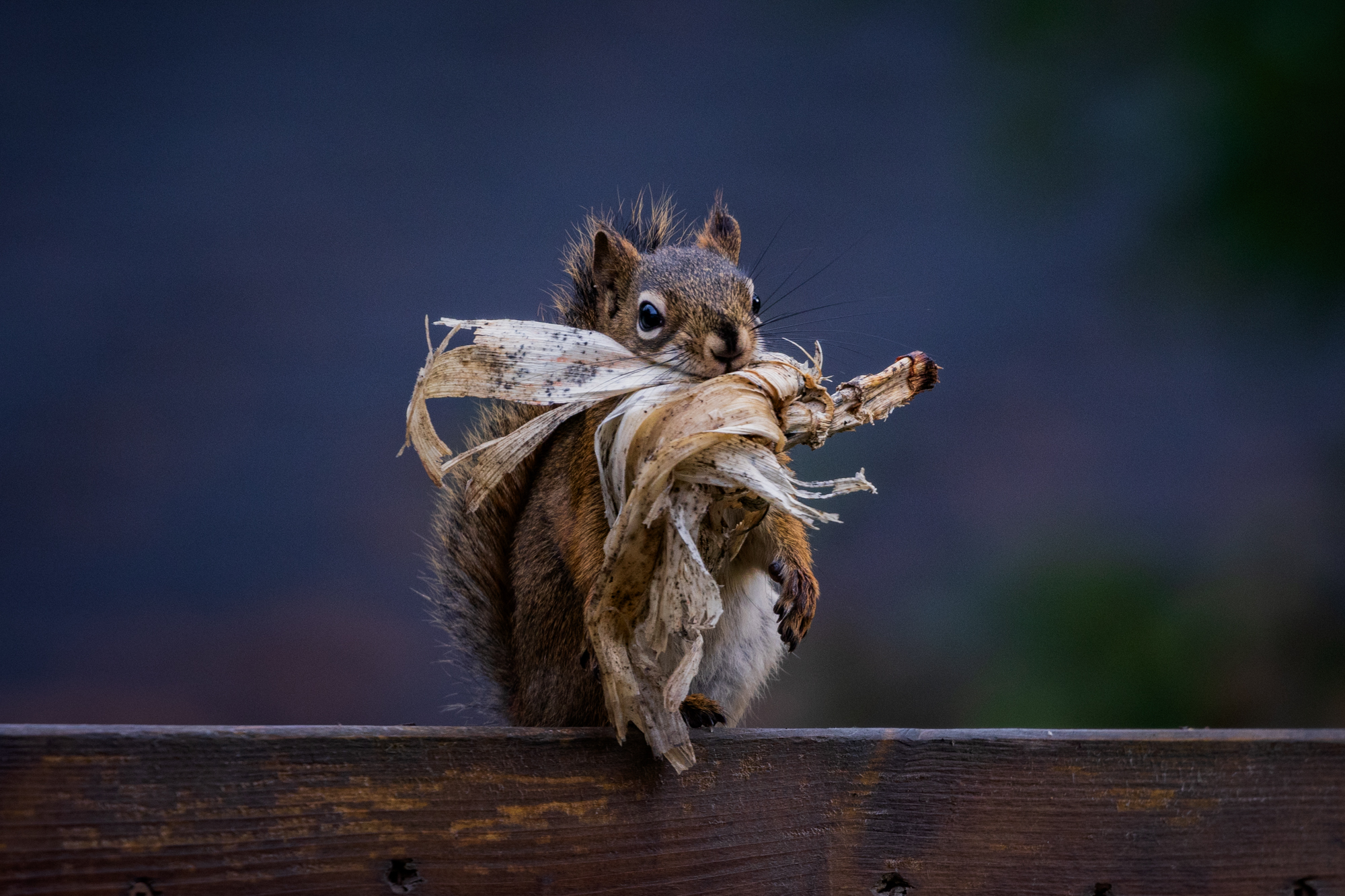
American Red Squirrel 
American Red Squirrel 
American Red Squirrel 
American Red Squirrel 
American Red Squirrel 
American Red Squirrel
Insects


Looking Ahead to 2026
With the major phases of our backyard transformation largely complete, 2026 isn’t about what’s next, it’s about what finally settles. While there’s still some planting and shaping to do, I’m excited to watch native plants mature and the yard take root as a wildlife haven. Seasonal changes, migration, and daily routines will continue to shape life in the yard, and if 2025 showed anything, it’s that small, deliberate changes compound – habitat grows on its own terms.
If you’re just starting, pay attention to who lands – not just who passes through. That shift alone will change how you see your yard, and what you thought a backyard could be.
If you’ve noticed changes in how birds use your yard over time, I’d love to hear what you’re seeing.
If this post sparked an idea, made you pause, or nudged you to notice the life in your own space, share it. Every share spreads the invitation: to garden with purpose, to rewild a yard, to create a place wildlife trusts – and helps this little patch of land inspire more backyard birders, native plant gardeners, and nature-lovers.
Thanks for reading! Until next time,
Tracey
INFORMATION
Symbols used:
L = Lifer (first-time sighting)
H = Heard only (confirmed with Merlin Bird ID app, or clear vocal ID)
FO = Flying Overhead
SFY = Saw From Yard (but not physically in the yard)
If you enjoy what I share and want to support my journey to rewild and document this little patch of land, you can do so through my Ko-fi page. Your support helps me continue photographing, nurturing, and sharing this space with you.

Tracey | Home & Habitat Journal
A birdwatching, plant-loving, thrift-hunting homebody crafting a space where comfort and nature live side by side.
HomeAndHabitatJournal.com
Where cozy living meets wild spaces—this is home, shaped by nature. From backyard birds to native blooms, wildlife habitats to cozy corners. Join me on this journey, and connect with me on social media to let nature inspire your space too!
PIN IT!


No Comments